Music
Experience the Power of Music
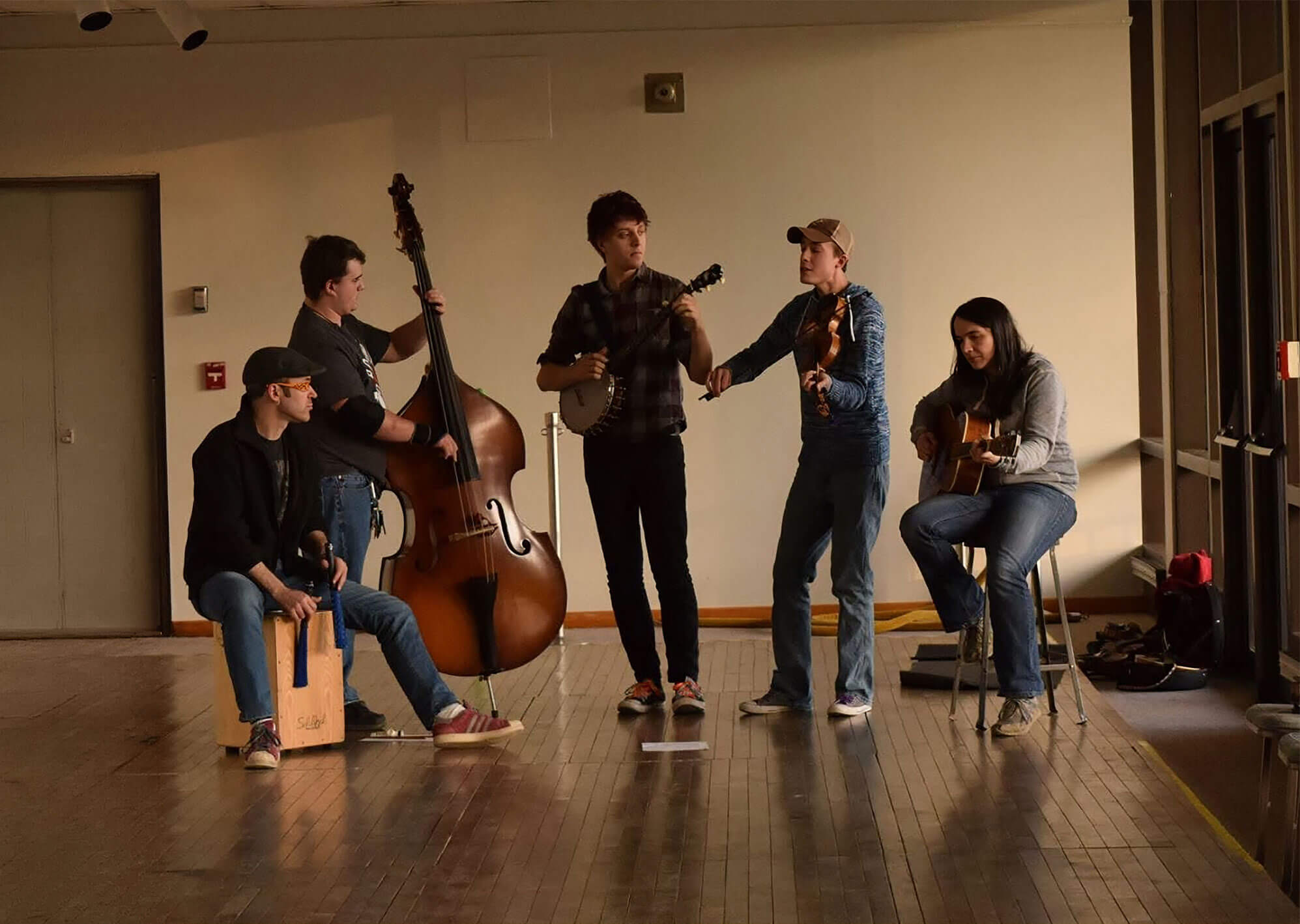
Express yourself. Enrich your community.
The D&E Division of Creative Arts music program seeks to enrich the cultural environment of the campus and the community through courses and performances that help promote cultural literacy, awareness, and appreciation. Whether you are an experienced musician or a first-time learner, the music program offers a place for you.
The Music program at D&E is part of the Division of Creative Arts and serves the entire campus community, not just music minors. Any student can take music courses, join an ensemble, or pursue private applied lessons in voice, piano, guitar, or a wide range of instruments. Music faculty offices and teaching studios are located on the first floor of Jennings Randolph Hall, adjacent to a large, open practice room. Additional small, private practice rooms are available on the ground floor.
The College is on its way to becoming an All-Steinway School, having recently added three new Steinway pianos placed in performance spaces, teaching studios, and practice rooms.
The annual Augusta Heritage Center Summer Heritage Workshop, hosted on D&E’s campus each summer, is one of the foremost traditional music and crafts programs in the country. Music minors can earn applied music credit through Augusta courses.
Minors
Music Minors
The course requirements for a minor in Music consist of 18–21 credit hours. The minor is available to students in any major and is an excellent complement to programs in education, liberal arts, and the performing arts. For specific requirements, refer to the Undergraduate Course Catalog.
Courses
What We Offer
Academic Courses
- Music Fundamentals
- Music Listening
- Class Piano (Beginners) I & II
- Class Voice
- Class Guitar
- Music Theory I
- Sight Singing and Ear Training I
- Elementary Music Education Methods
Performance Ensembles
- Oratorio Society
- Concert Choir
- Chanteur Chamber Choir
- Concert Band
Applied Music (Private Lessons)
- Beginning Level — woodwinds, brass, percussion, strings (including banjo, fiddle, autoharp), and voice
- Intermediate Level
- Advanced Level
Careers in Music
A minor in Music from D&E complements virtually any major and strengthens a wide range of career paths. Music study develops discipline, creativity, collaboration, cultural literacy, and communication — all skills that employers value across industries. Career options for students with music training include:
Performance and Creative Arts
- Professional Musician/Performer
- Composer/Arranger
- Recording Artist/Studio Musician
- Conductor/Choral Director
Education and Community Engagement
- K–12 Music Teacher
- Private Music Instructor
- Community Music Program Director
- Music Therapist (with additional graduate study)
Arts Administration and Media
- Arts Administrator/Program Manager
- Music Journalist/Critic
- Event Producer/Concert Promoter
- Music Library/Archival Work
- Film, Television, and Media Scoring
Cross-Disciplinary Paths
- Music + Education — K–12 licensure pathway available through D&E’s Education concentration
- Music + Business — Arts management, marketing, and entertainment industry roles
- Music + Healthcare — Music therapy and wellness programs (graduate study recommended)
- Music + Technology — Audio engineering, sound design, and music technology
The Appalachian Ensemble
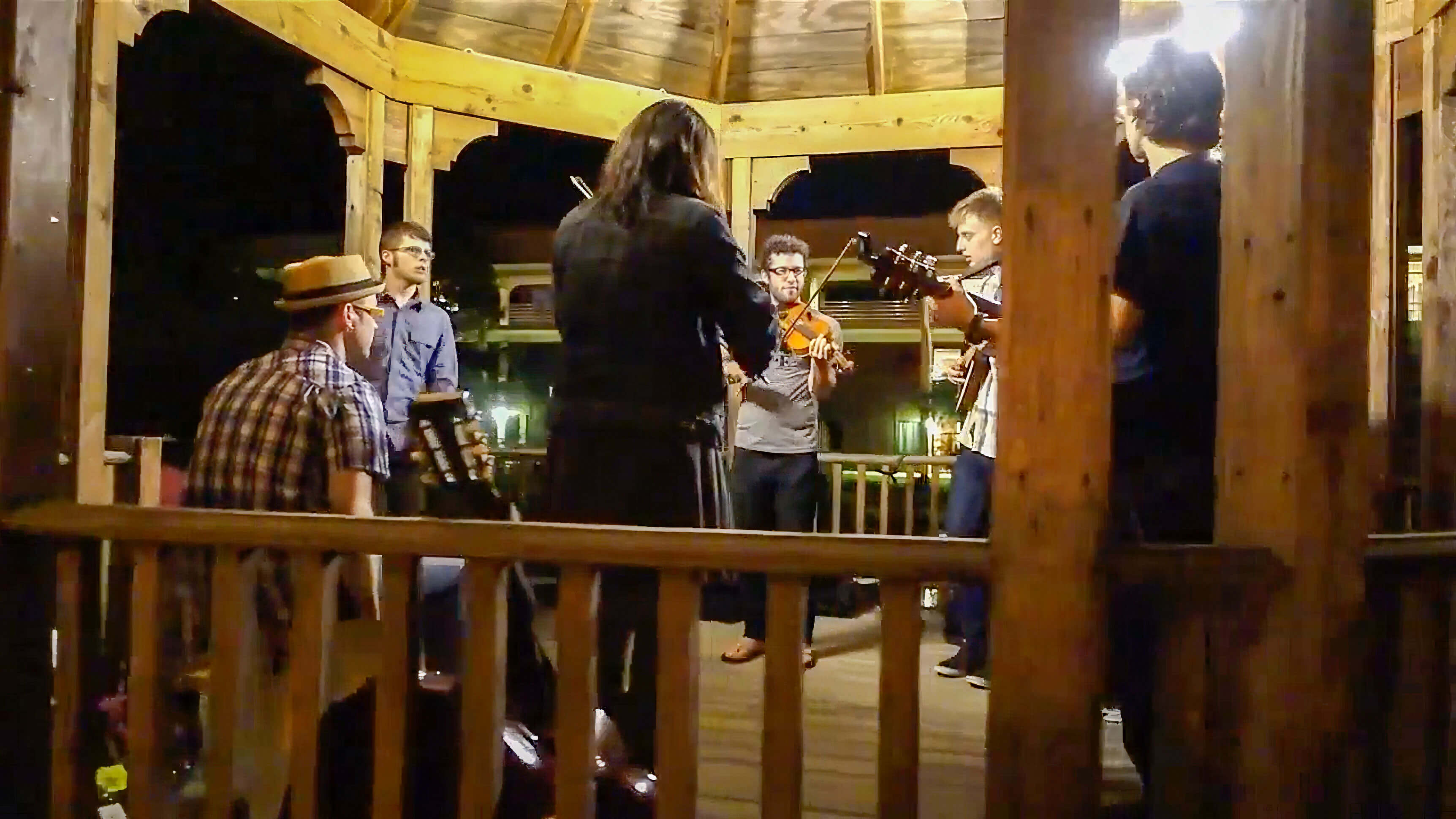
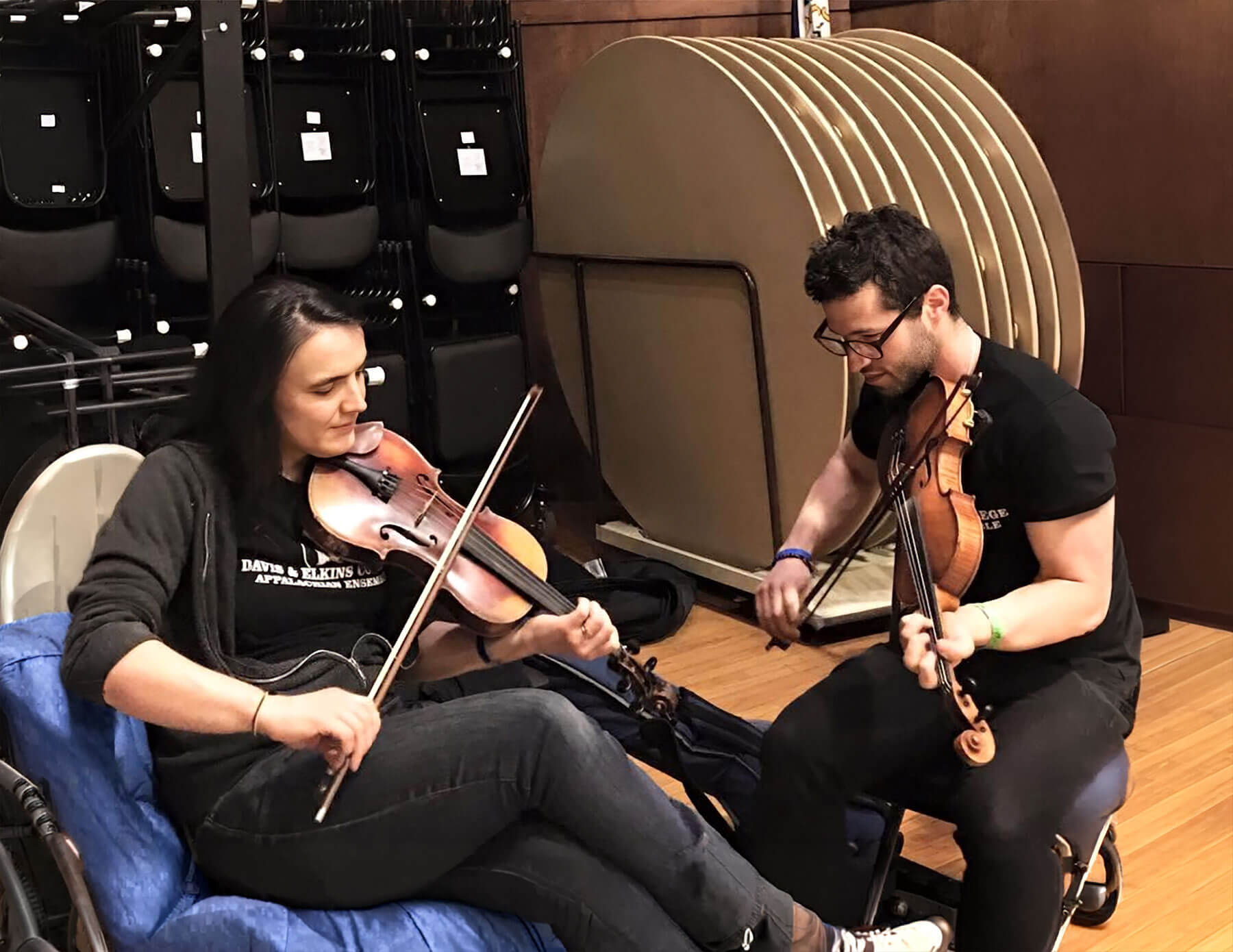
The Davis & Elkins College Appalachian Ensemble is a nationally recognized student performance group dedicated to bringing live traditional music and dance to audiences in West Virginia and beyond. The ensemble is composed entirely of D&E students and features an acoustic string band — fiddle, banjo, guitar, and mandolin — alongside a team of dancers with expertise in old-time, jazz, Irish sean nós, flatfooting, tap, body percussion, and traditional American harmony singing.
The Ensemble performs at festivals and concert halls throughout the academic year and leads interactive workshops in clogging, body percussion, and traditional singing for children and adults. It has been praised by teachers and audiences alike for its ability to engage, educate, and inspire.
Concert Choir
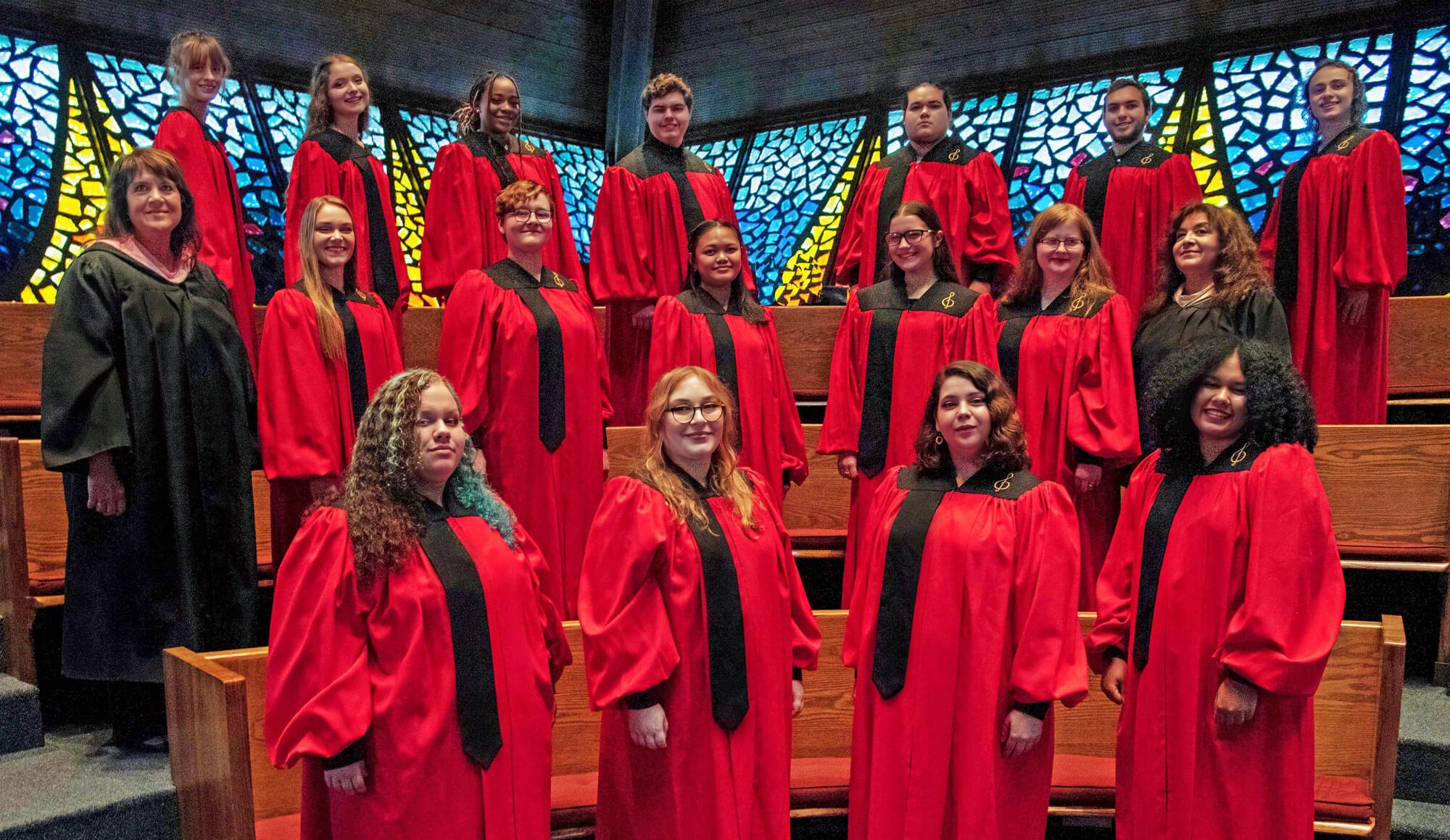
The Davis & Elkins College Concert Choir performs choral repertoire from all style periods of Western musical history and tours local schools and churches throughout the year. The Chanteur Chamber Choir, an auditioned small ensemble within the Concert Choir, focuses on more contemporary and commercial choral styles.

What Our Alumni Say
“Appalachian Ensemble does more than just provide a space for expression. It preserves and spreads the traditional arts of West Virginia and Appalachia in a way that is visually and aurally appealing. We respect those who came before us while holding in reverence our own interpretations of Appalachian traditional arts.”
– Scotty Leach, Class of 2016
Why Music at D&E
The supportive community of the Music program and a broad range of course offerings will teach you creativity, cultural awareness, discipline, and the deep satisfaction of making music with others. Dedicated faculty members create an inspiring environment where you and your peers can learn from each other, grow as performers, and share your love of music with the campus and the wider community. Through the Concert Choir, Chanteur Chamber Choir, Concert Band, Oratorio Society, and the nationally recognized Appalachian Ensemble, you’ll have ample opportunities to perform for real audiences in West Virginia and beyond.
The music minor pairs seamlessly with nearly any major at D&E. Whether you’re studying education, business, English, or environmental science, music training makes you a more creative, disciplined, and culturally informed graduate. Internships, community engagement, and the Appalachian Ensemble’s outreach workshops give you hands-on experience bringing music to schools, festivals, and communities across the region.