Biology — Neuroscience Concentration
Learn the Science of the Brain
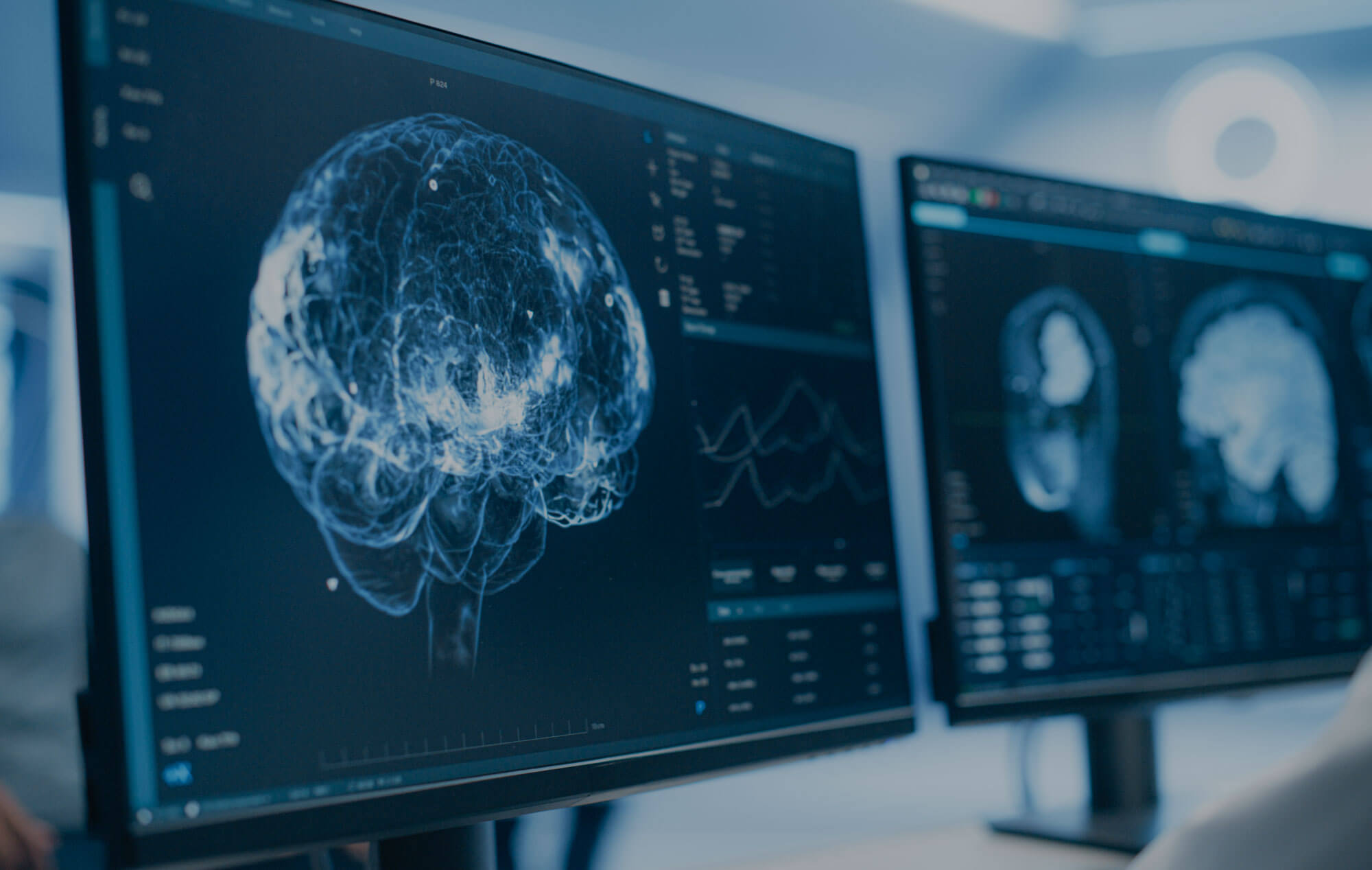
Unlock the mysteries of the mind.
Are you fascinated by the brain and driven to understand how it works? The neuroscience concentration at Davis & Elkins College blends biology, psychology, and clinical science to equip students with the knowledge and experience to explore the inner workings of the human mind.
The neuroscience concentration is part of the Biology, Environmental Science, and Sustainability Department at D&E. It is designed to prepare students for careers and graduate study at the intersection of biology, psychology, and clinical science. The program offers a comprehensive approach to brain science — from cellular processes and molecular biology to cognitive behavior and mental health — bridging disciplines that are increasingly essential in research, healthcare, and human services.
Whether you envision yourself in research, healthcare, or mental health services, the neuroscience concentration provides a rigorous foundation in brain science with a practical, hands-on approach. Through laboratory experiences, coursework, and a psychiatry-focused curriculum developed with input from industry leaders, you’ll be prepared to make an impact in today’s most critical scientific and medical fields.
Baccalaureate Programs (B.S.)

Bachelor of Science in Biology — Neuroscience Concentration
The neuroscience concentration is a specialization within the B.S. in Biology. Requirements consist of 44 semester hours, including core biology courses plus the 4 neuroscience concentration courses. Additional requirements include a minor in chemistry (or the equivalent chemistry sequence) and specified courses in physics, calculus, statistics, and psychology.
The neuroscience concentration is offered as a hybrid degree through the Lower Cost Models for Independent Colleges Consortium (LCMC), combining the flexibility of online learning with the mentorship and community of Davis & Elkins College’s on-campus experience.
Courses
What We Offer
Biology Core Courses
(required for all Biology B.S. specializations)
- Principles of Biology I & II
- Genetics
- Biology Forum
- Cell and Molecular Biology
- Evolution
- Current Topics in Biology
- Senior Seminar
Neuroscience Concentration Courses
- Introduction to Neuroscience
- Biological Basis of Perception and Movement
- Cognitive Neuroscience
- Clinical Neuropathology
Biology Electives
(8 credit hours chosen from)
- Functional Histology
- Introduction to Neuroscience (if not already used as a concentration course)
- Comparative Vertebrate Anatomy
- Developmental Biology
- Microbiology
Additional Required Courses
- General Chemistry I, II, III & IV (or Chemistry minor)
- Physics I & II
- Calculus
- Statistics
- Introduction to Psychology
- Psychopathology (recommended)
- Cognitive Psychology (recommended)
Campus Facilities
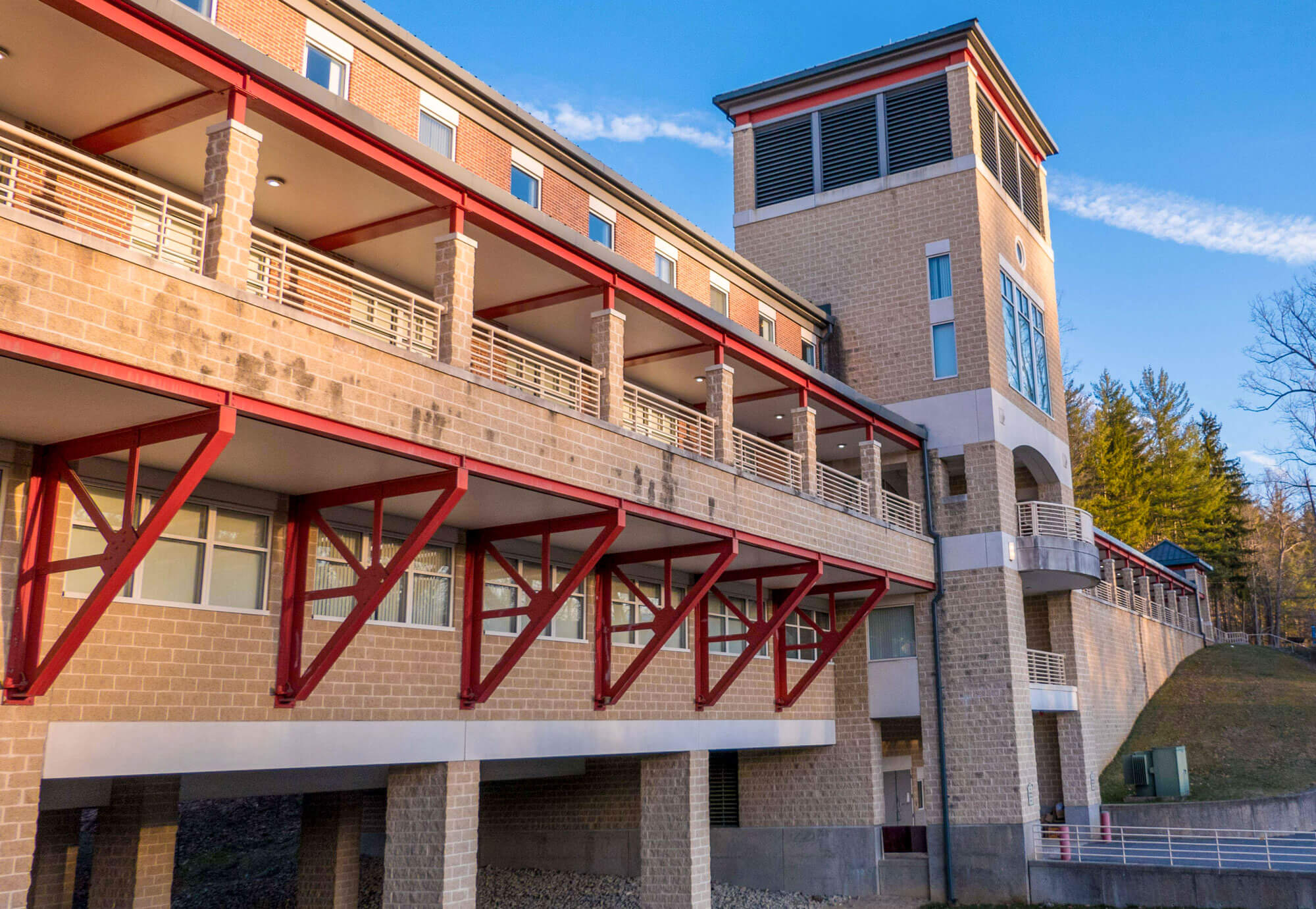
Neuroscience students attend core biology courses in the Eshleman Science Center, which features five teaching laboratories, a cell and molecular biology lab with professional-grade instrumentation, the Allen Biotechnology Education Lab with a nanopore DNA sequencer, and the S. Benton Talbott Seminar Room. The hybrid format of the neuroscience concentration courses combines online flexibility with access to D&E’s campus resources, faculty mentorship, and student community.
Curriculum Alignment
The neuroscience concentration curriculum is aligned with the National Neuroscience Curriculum Initiative (NNCI), a framework developed by leading neuroscientists and educators to ensure students receive training that reflects the current state of the field. This alignment means D&E neuroscience graduates arrive at graduate programs and employers with a credential that’s recognized and respected.
Careers in Biology and Neuroscience
Neuroscience prepares graduates for careers in a wide array of fields, including scientific research, healthcare, mental health services, education, and science communication. Whether you’re a future clinician, compassionate healer, or driven researcher, the neuroscience concentration at D&E provides a foundation to change lives.
While for some roles, graduate-level education or licensure may be required, career paths for neuroscience graduates can include:
- Laboratory Technician
- Health Educator
- Technical Writer
- Clinical Research Coordinator
- Neuropsychologist
- Research Scientist
Graduate and Professional School Pathways
- M.S. or Ph.D. in Neuroscience, Cognitive Science, or Biology
- Medical School (M.D. or D.O.)
- Doctorate in Psychology (Psy.D. or Ph.D.)
- Doctor of Physical Therapy (D.P.T.)
- M.S. in Biomedical Sciences, Pharmacology, or Neuropharmacology
- Physician Assistant (M.S. or D.M.S.)
- Occupational Therapy (M.S. or O.T.D.)
Internship Opportunities
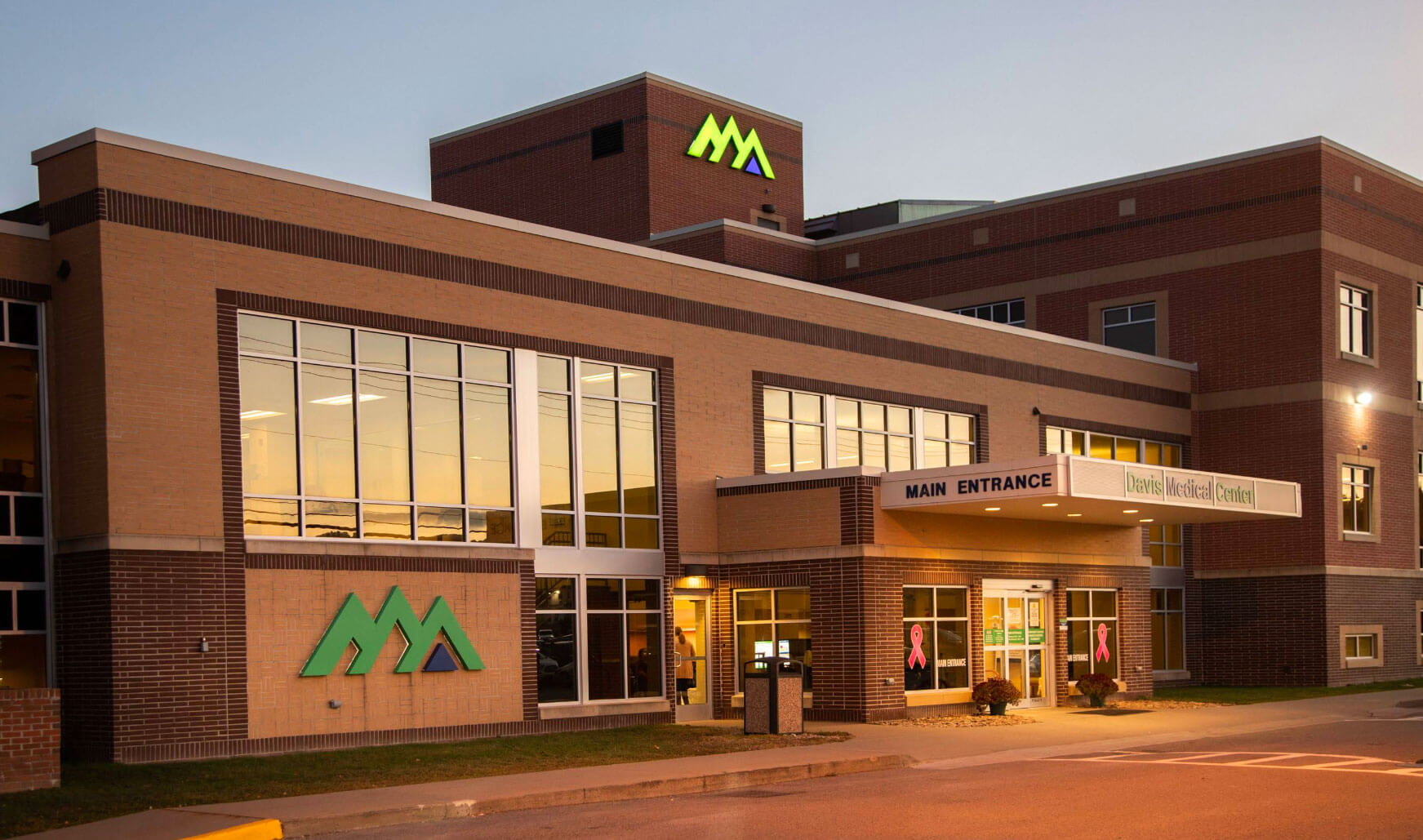
D&E Biology and Neuroscience students have access to internship opportunities with organizations headquartered in Elkins and the surrounding area, including Davis Medical Center, the West Virginia Department of Natural Resources, the U.S. Forest Service, the U.S. Fish and Wildlife Service, and The Nature Conservancy.
Graduate and Professional School Pathways
Choose from one of the following pathways:
- Medical School (M.D. or D.O.)
- Pharmacy School (Pharm.D.)
- Dental School (D.D.S. or D.M.D.)
- Veterinary School (D.V.M.)
- Graduate school in Biology, Ecology, Neuroscience, Biochemistry, or related fields
- Physical Therapy (D.P.T.)

Why Biology and Neuroscience at D&E
Small class sizes enable inspiring faculty members to get to know your career goals personally and provide individualized attention. Coursework covers current and relevant principles from molecular neuroscience and genetics to cognitive behavior and clinical neuropathology. It prepares you for success in graduate study and careers in the brain sciences.
The hybrid course format gives you real flexibility, an especially powerful combination for students balancing coursework with other commitments. D&E’s articulation agreements with the West Virginia School of Osteopathic Medicine and the Marshall University School of Physical Therapy offer neuroscience students direct, expedited pathways to professional careers. State-of-the-art facilities give you access to professional-grade tools that prepare you for graduate and professional school coursework. Internship and independent study opportunities provide real-world experience that amplifies classroom learning.