Sustainable Resource Management
Manage What Matters
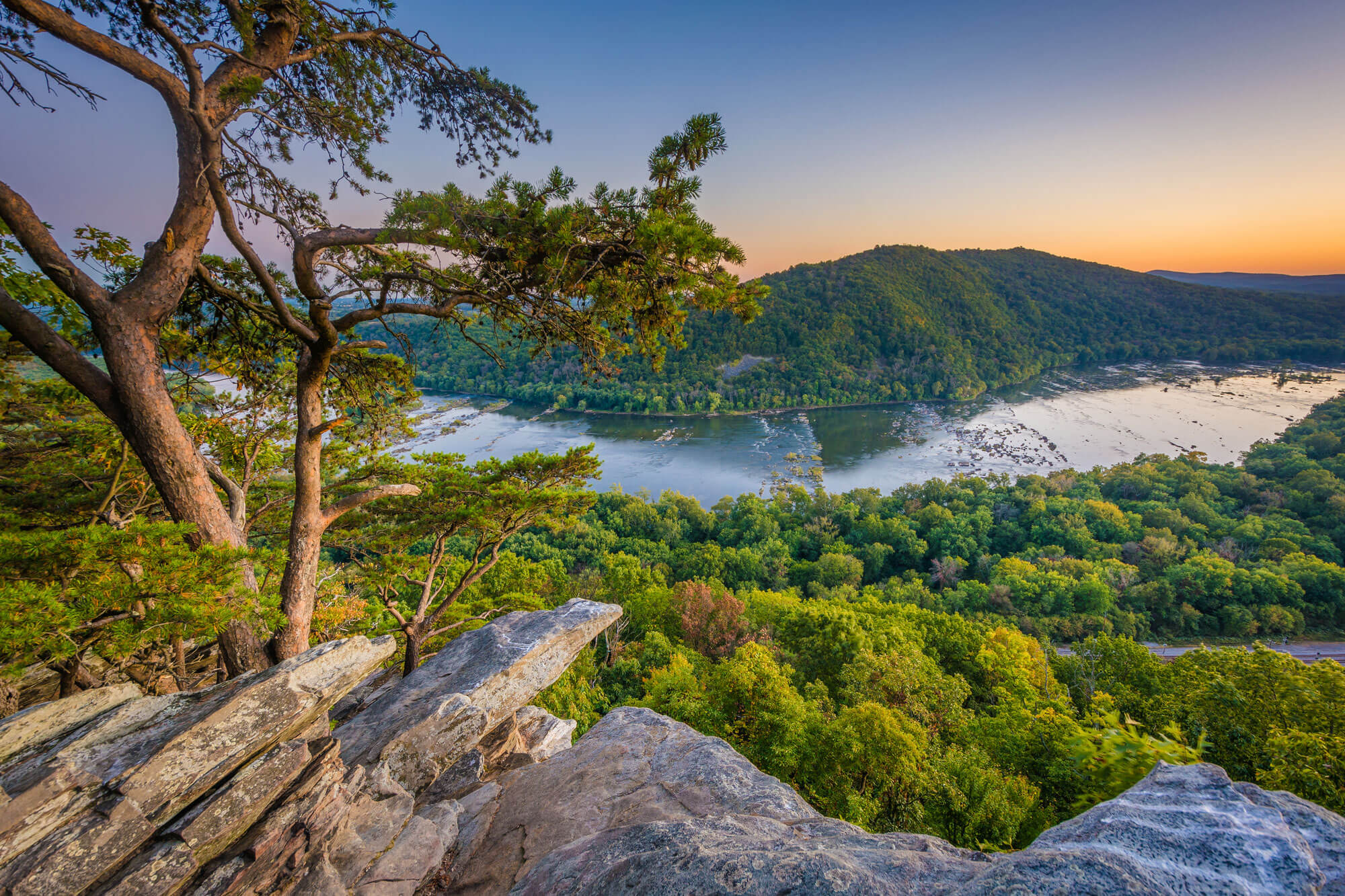
Launch your career in the sustainable management of natural resources.
The Sustainable Resource Management (SRM) degree at Davis & Elkins College offers an interdisciplinary program of study that stresses the sustainable management of renewable and non-renewable natural resources. Three specializations allow students to tailor the degree toward their career goals:
- Natural Resources Management
- Forest Resources Management
- Parks and Recreation Management
The program is offered through the Biology, Environmental Science, and Sustainability Department. It is designed for students who want to pursue professional careers managing the natural world — forests, waters, wildlife, and recreation resources — in a sustainable, science-based way. The program builds on D&E’s existing strengths in environmental science and biology while providing clear career paths tailored to each of the three specializations.
Baccalaureate Programs (B.S.)

Bachelor of Science in Sustainable Resource Management
The B.S. in Sustainable Resource Management is offered in three specializations:
Natural Resources Management
(36 credit hours of Sustainable Resource Management courses)
The Natural Resources Management specialization prepares students for a variety of fields in natural resources, including graduate school or employment in industry or governmental agencies. It includes core SRM courses plus electives from environmental science or biology.
Forest Resources Management
(49 credit hours of Sustainable Resource Management courses)
The Forest Resources Management specialization meets the requirements for civil service forester positions. It prepares students for graduate school or employment in the forestry industry and governmental agencies. It includes the full Forest Technology curriculum plus advanced coursework.
Parks and Recreation Management
(39 credit hours of Sustainable Resource Management courses)
The Parks and Recreation Management specialization prepares students for a variety of fields that manage recreation resources, including graduate school or employment in national parks, state parks, recreation agencies, and related industries.
Minors
Natural Resources Management Minor
The Natural Resources Management minor consists of 19 credit hours of Sustainable Resource Management courses.
Forest Resource Management Minor
The Forest Resource Management minor consists of 20 credit hours of Sustainable Resource Management courses.
Parks and Recreation Management
The Parks and Recreation Management minor consists of 19 credit hours of Sustainable Resource Management courses.
Courses
What We Offer
Sustainable Resource Management Core Courses
(all specializations)
- Natural History of Appalachia
- Sustainable Resource Management
- Natural Resource Economics
- Sustainable Resource Management Forum
- Research Methods
- Advanced Topics in Sustainable Resource Management
- Senior Seminar
- Practicum
- Independent Study
Natural Resources Management Specialization Courses
- Watershed and Ecosystem Science
- Wildlife Ecology and Management
- Natural Resource Management
- Conservation Biology
Forest Resources Management Specialization Courses
- Dendrology I & II
- Forest Measurements I & II
- Timber Harvesting
- Communication and Safety
- Wood and Forest Products
- Silviculture
- Forest Ecosystem Protection
- Forest Management Practices
- Forest Ecology
Parks and Recreation Management Specialization Courses
- Introduction to Outdoor Recreation
- Outdoor Recreation Administration
- Outdoor Education
- Natural Resources Recreation
- Outdoor Recreation Programming
- Recreation in America
- Outdoor Recreation Practicum
Additional Required Courses
(all specializations)
- Introduction to Environmental Science
- Environmental Chemistry
- Environmental Issues Seminar
- Introduction to Sustainability Studies
- Principles of Biology I & II
- Cell and Molecular Biology —OR— Practicum (4 credits)
- General Chemistry I, II, III & IV
- Calculus
- Statistics
Campus Facilities
The Biology, Environmental Science, and Sustainability Department is housed in Eshleman Science Center, which features five teaching laboratories, a computer laboratory equipped with GIS and remote sensing software and a large-scale plotter, the S. Benton Talbott Seminar Room, a weather station, a controlled environment chamber, the Tolstead Greenhouse, and the D&E Herbarium with over 3,000 vascular plant specimens.
The department also maintains the Pigeon Creek Watershed as a cooperative Appalachian watershed study site, and the Robert E. Urban Nature Area is located just minutes from the Science Center.
Natural Laboratory
As a student in the Sustainable Resource Management program, you’ll complete much of your field study on the 300-acre George A. Myles Experimental Forest. Located just 30 minutes from campus, the forest serves as a hands-on outdoor classroom for measuring and quantifying forest resources, practicing silvicultural techniques, conducting habitat assessments, and carrying out student research projects.
Additionally, the Monongahela National Forest and surrounding protected areas constitute one of the most ecologically diverse outdoor classrooms in the eastern United States.
The following areas are within an hour’s drive of campus:
- Spruce Knob (the highest point in West Virginia at 4,862 feet)
- Dolly Sods Wilderness
- Canaan Valley National Wildlife Refuge
- Fernow Experimental Forest
- Multiple wilderness areas within an hour’s drive from campus
Careers in Sustainable Resource Management
Sustainable Resource Management prepares graduates for careers in a wide array of natural resource fields, including federal and state land management, forestry, wildlife biology, watershed science, parks and recreation, conservation, and environmental consulting.
Potential career paths include:
Natural Resources Management
- Fish and Wildlife Biologist (U.S. Fish and Wildlife Service, state agencies)
- Hydrologist/Watershed Manager
- Conservation Scientist
- Environmental Consultant
- Natural Resource Specialist (The Nature Conservancy, nonprofit organizations)
- Graduate Study in Ecology
- Wildlife Biology
- Conservation Science
Forest Resources Management
- Civil Service Forester (U.S. Forest Service, Bureau of Land Management, state forestry agencies)
- Timber Sale Administrator
- Silviculturist
- Forest Inventory Specialist
- Private Consulting Forester
- Wood Products Industry Representative
- Graduate Study in Forestry
- Forest Ecology
- Wood Science
Parks and Recreation Management
- Park Ranger/Park Manager (National Park Service, state parks)
- Recreation Program Director
- Outdoor Recreation Planner
- Ecotourism Manager
- Camp Director/Outdoor Education Instructor
- Graduate Study in Recreation Management
- Tourism
- Parks Administration
Internship Opportunities
Internship opportunities are available through organizations with offices in Elkins and the surrounding area, including the U.S. Forest Service (Monongahela National Forest, Elkins office), U.S. Fish and Wildlife Service, West Virginia Department of Natural Resources, Fernow Experimental Forest, Canaan Valley National Wildlife Refuge, Blackwater Falls State Park, The Nature Conservancy, Bowden Fish Hatchery, and multiple private timber and land management companies.








Why Sustainable Resource Management at D&E
Small class sizes enable faculty members to enhance your learning experience by challenging and inspiring you, providing individualized attention, and helping you build scientific knowledge, field skills, and a professional identity. Coursework covers current and relevant principles in ecology, forestry, wildlife management, watershed science, GIS, recreation management, and natural resource economics.
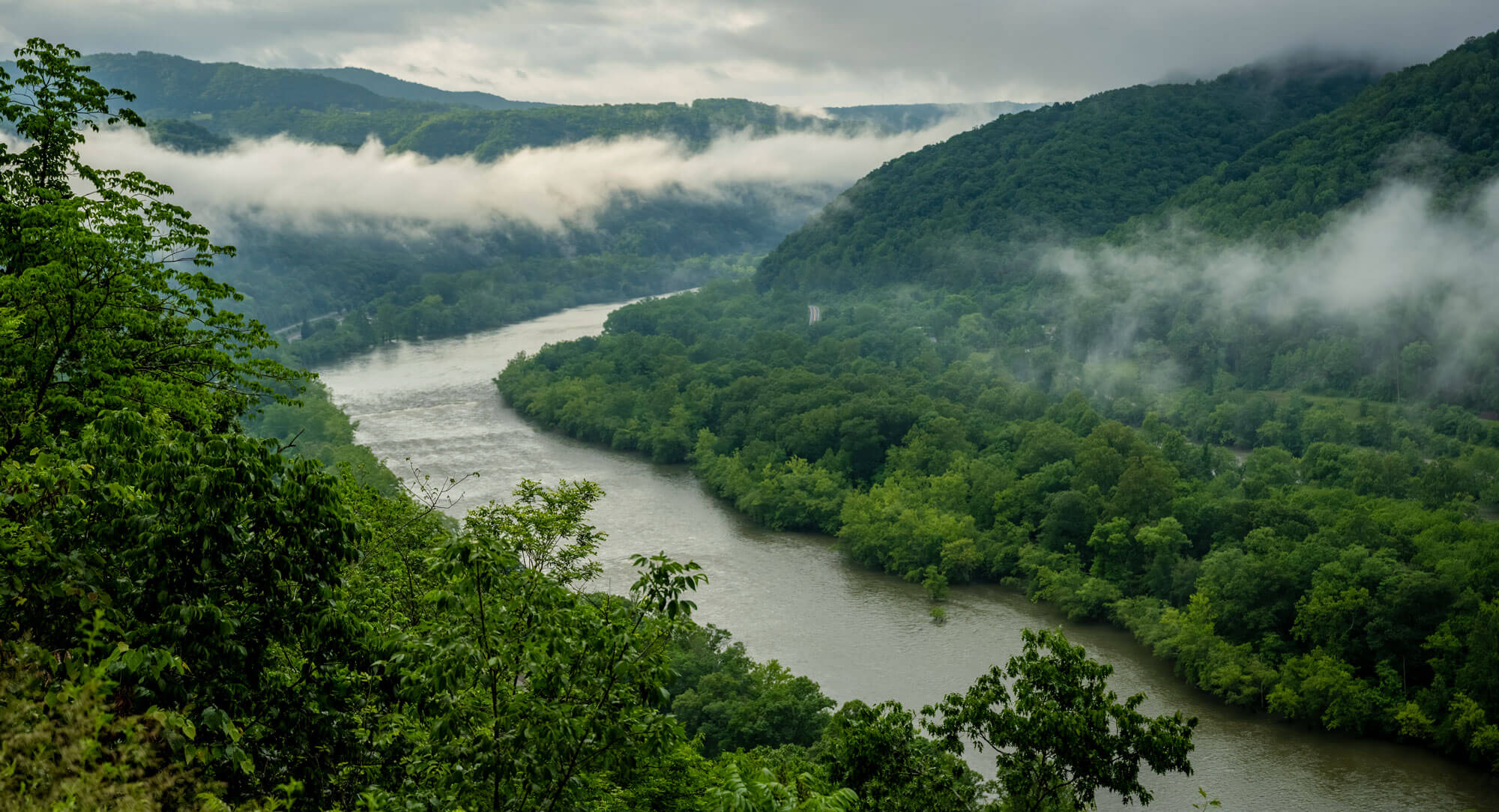
D&E’s location at the gateway to the Monongahela National Forest is an unparalleled classroom advantage and provides exposure to future employers.
The George A. Myles Experimental Forest provides hands-on field experiences that cannot be replicated in any lecture hall. From timber cruising to wildlife habitat assessment to silvicultural marking, you’ll develop the technical skills that field agencies hire for.
Internship and independent study opportunities provide real-world experience that amplifies classroom learning and builds your professional network. The Forest Resources Management specialization meets the requirements for civil service forester positions. You may be able to immediately compete for professional positions with the U.S. Forest Service, Bureau of Land Management, and state forestry agencies without additional coursework.