Sustainability Studies
Be the Change the Planet Needs
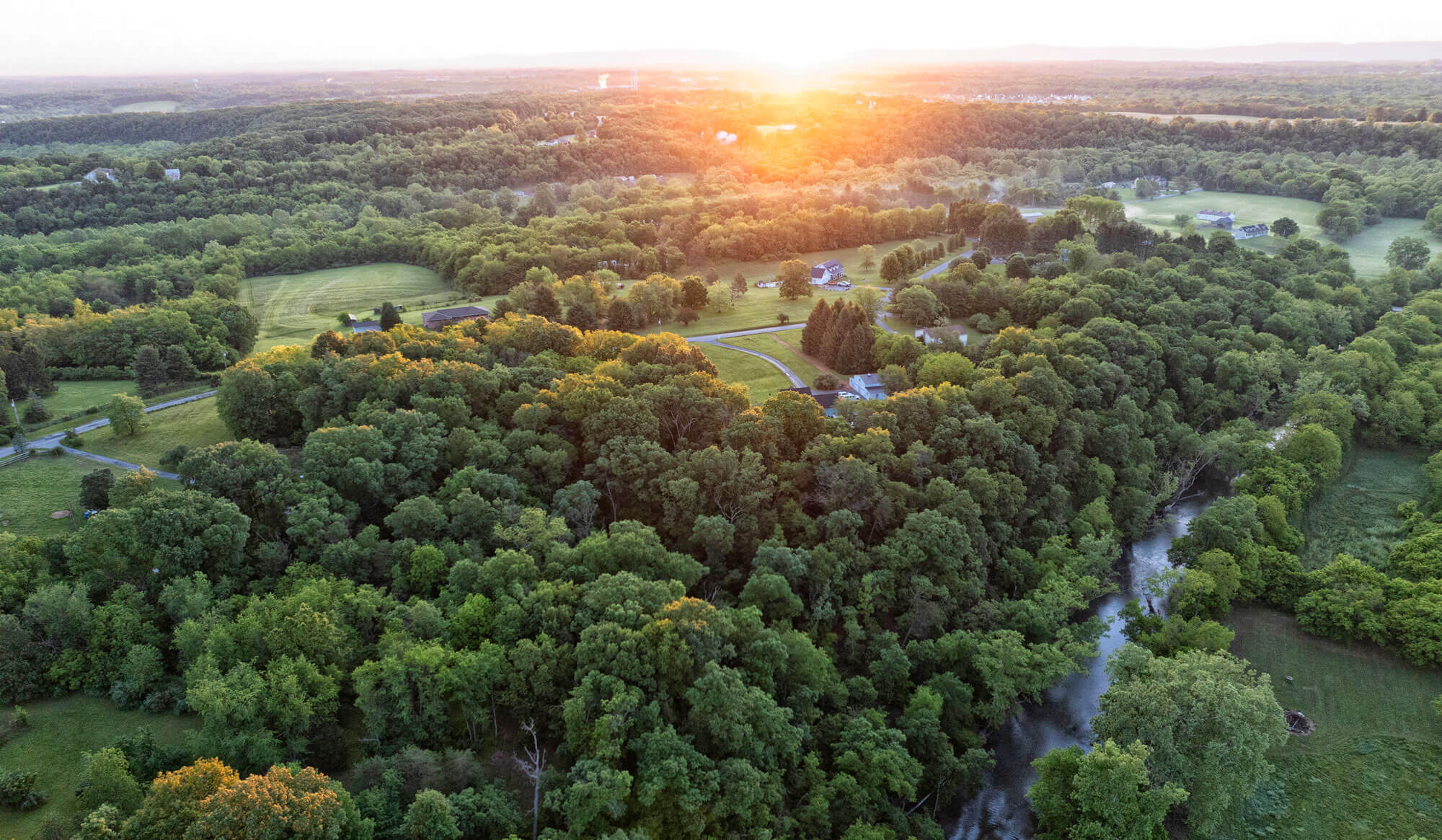
Study the relationship between humans and the natural world.
The Sustainability Studies program at Davis & Elkins College is committed to both transdisciplinary and experiential explorations of sustainable development. Sustainable development concerns meeting the needs of the present (health, energy, food, shelter, and transportation) while ensuring a viable world for future generations. The major is designed around the three pillars of sustainability: environmental, socio-cultural, and economic perspectives.
The Sustainability Studies major at D&E is designed as a transdisciplinary and experiential exploration of the environment, society, and economy as interconnected systems. You’ll work across disciplines — natural science, social science, economics, communication, philosophy, and the arts — to understand sustainability challenges and develop the leadership skills to address them. The mission of the program is to prepare students for leadership positions in sustainable development and studies through an informed, dynamic leadership model focused on sustainability and environmental citizenship.
Baccalaureate Programs (B.S.)

Bachelor of Science in Sustainability Studies
The transdisciplinary bachelor’s degree in Sustainability Studies requires a minimum of 50 credit hours organized around three sustainability pillars, plus core requirements and community service. An academic minor selected outside the discipline of Sustainability Studies is also required.
Minors
Minor in Sustainability Studies
The minor in Sustainability Studies requires 18 semester hours, including Introduction to Sustainability Studies, and credits chosen from the natural science, socio-cultural, and economic perspectives categories.
Courses
What We Offer
Core Courses
- Introduction to Sustainability Studies
- Senior-Level Seminar
- Introduction to Environmental Science
- Recreation in America
- Statistics or Research Methods
Natural Science Courses
(10 semester hours, chosen from)
- Basic Biology —OR— Principles of Biology I & II
- General Chemistry I, II, III & IV
- Environmental Chemistry
- Environmental Science Forum
- Conservation Biology
Socio-Cultural Perspectives
(12 semester hours, chosen from)
- Appalachian Literature
- American Nature Writing
- Small Group Communication
- Environmental Communication
- Introduction to Outdoor Recreation
- Ethics
- Philosophy of Human Rights
- Environmental Justice
- Principles of Sociology
- Psychology and Nature
Economic Perspectives
(12 semester hours, chosen from)
- History of the American Environment
- Introduction to Economics
- Cultural Geography
- Outdoor Recreation Administration
- Sustainable Business
- Environmental Issues Seminar
- The Environmental Movement
- Business and the Natural Environment
- Writing About Science
- Science Writing Workshop
Campus Facilities
The Biology and Environmental Science Department is housed in the Eshleman Science Center, which features five teaching laboratories, a departmental computer laboratory equipped with GIS and remote sensing software and a large-scale plotter, and a conference space where upper-level classes meet, students share research, and invited speakers engage with the campus community.
Scientific instrumentation includes microscopes, air and water pollution monitoring equipment, laboratory instrumentation, and field sampling equipment. The cell and molecular biology lab features a programmable thermocycler for PCR analysis, UV/Vis spectrophotometer, microcentrifuges, and gel electrophoresis equipment.
Special facilities include a weather station, a controlled environment chamber, the spacious Tolstead Greenhouse, and the D&E Herbarium with over 3,000 specimens of vascular plants and the West Virginia State Fungi collection.
The department is also a partner in the Cooperative Appalachian Watershed Study (CAWS) and maintains the Pigeon Creek Watershed as an experimental research site. Faculty and students conduct ongoing research projects there and in the Robert E. Urban Nature Area, located just minutes from Eshleman Science Center.
Natural Laboratory
The Monongahela National Forest and surrounding natural areas constitute an immense and highly varied outdoor laboratory for environmental and sustainability investigations.
The following areas are within an hour’s drive of campus:
- Spruce Knob (the highest point in West Virginia at 4,862 feet)
- Seneca Rocks
- Blackwater Canyon
- Bear Heaven Natural Area
- Blister Swamp, Big Run Bog natural area
- Dolly Sods Wilderness
- Otter Creek Wilderness
- Upper and Lower Laurel Fork Wilderness
- Canaan Valley National Wildlife Refuge
Careers in Sustainability Studies
Sustainability Studies prepares graduates for careers in a wide array of fields, including environmental conservation, sustainable economic development, community health, public policy, nonprofit management, education, and research.
Internship Opportunities
The professional climate surrounding D&E offers sustainability studies students a wide range of internship opportunities, including opportunities with the West Virginia Department of Natural Resources (Elkins office), U.S. Forest Service (Elkins office), Monongahela National Forest, Fernow Experimental Forest, Canaan Valley National Wildlife Refuge, Blackwater Falls State Park, Maryland State Park Service, Virginia Division of Conservation and Recreation, Parks Canada, Trout Unlimited, National Park Service, and various regional and national non-profit organizations.








Why Sustainability Studies at D&E
Small class sizes enable engaging faculty members to enhance your learning experience by challenging and inspiring you and providing individualized attention. Coursework covers current and relevant principles across the natural sciences, social sciences, economics, and humanities to prepare you for leadership in graduate study and a wide range of sustainability careers.
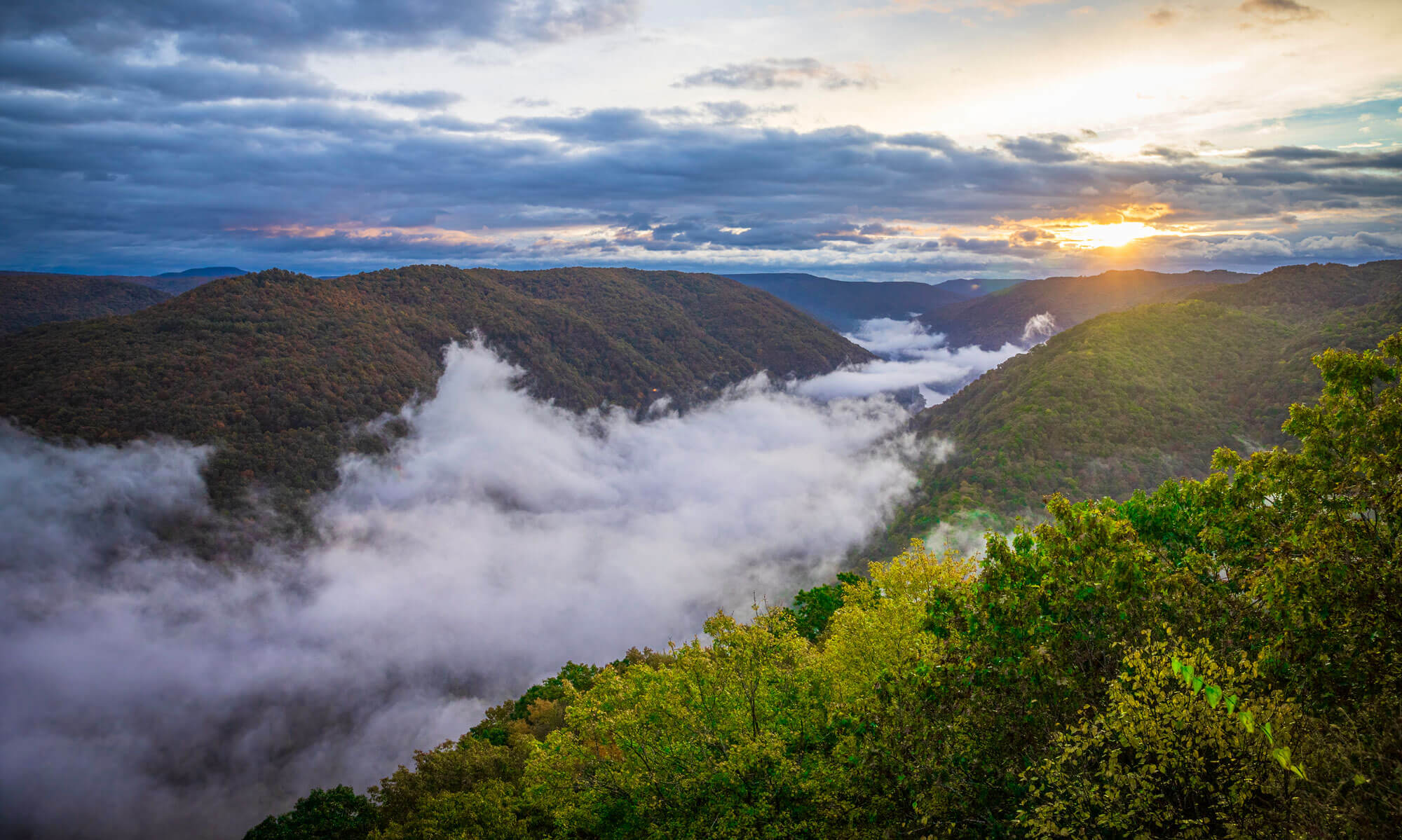
D&E’s location bordering the Monongahela National Forest places you within reach of one of the most ecologically diverse and intact natural laboratories in the eastern United States. Internship and independent study opportunities provide real-world experience that amplifies classroom learning.
GreenWorks! — D&E’s student sustainability organization — allows you to put your beliefs into practice from day one by installing solar panels, planting native species, and working on campus and community sustainability projects that create a genuine impact. D&E’s partnership with Chatham University’s Falk School of Sustainability and Environment offers priority graduate school entrance and scholarships to highly qualified D&E graduates creating a direct pathway to take your sustainability education to the next level.