Religious Studies and Philosophy
Learn the Foundations of World Cultures
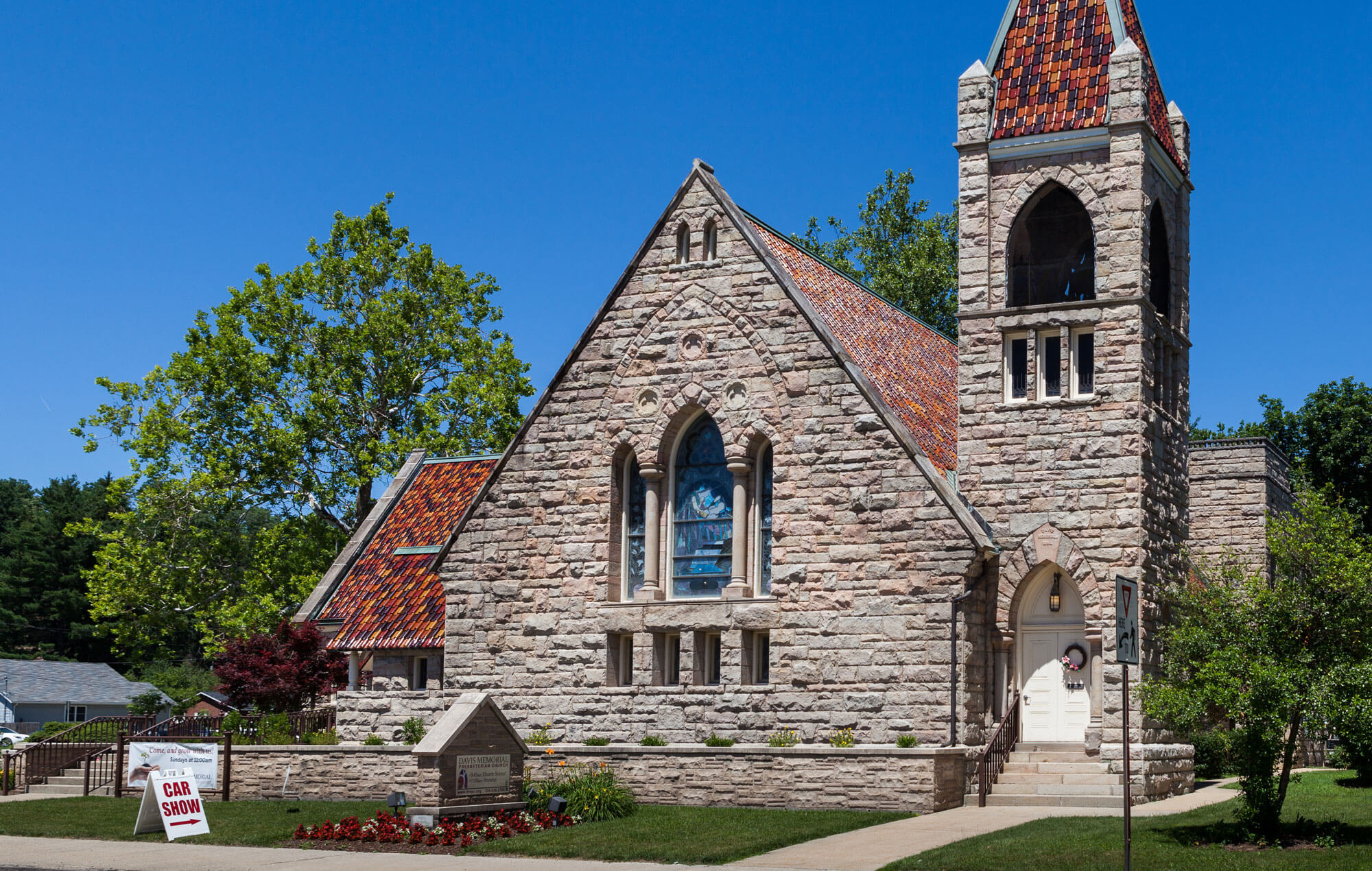
Develop a robust understanding of religion, culture and the human experience.
While a degree in religious studies and philosophy is often a precursor to attending seminary or law school, this degree has become broadly relevant to the contemporary working world. As societies become increasingly pluralized and connected, employers are looking for employees who can critically analyze complex ideas, problem-solve, and engage cultures beyond their own. The study of world religions and the practice of critical thinking can be a valuable differentiator.
The Religious Studies and Philosophy Program at D&E offers exposure to different cultures, religious practices, and diverse social practices. Through small classes, seminar discussions, direct access to faculty, service learning, internships, and field and experiential learning opportunities, you can explore:
- Hebrew Bible/Old Testament
- New Testament/Gospels/Epistles
- Bible as Literature
- World Religions
- Comparative Religious Ethics
- Islam and Modernity
- Hinduism and Buddhism
- Faith and Doubt
- Renaissance, Reformation, and Modernity
- Psychology of Religion
- Sociology and Anthropology of Religion
- Religion, Art and Culture
Baccalaureate Programs (B.A.)

Bachelor of Arts in Religious Studies and Philosophy
The bachelor’s degree in religious studies and philosophy requires 36-39 semester hours of specified religious studies and philosophy courses. An academic minor selected outside of the program is also required.
Bachelor of Arts in Religious Education
The bachelor’s degree in religious education requires 38 semester hours of specified courses in religious studies and philosophy. Additional requirements are 6 elective semester hours chosen from among education and psychology courses. An academic minor selected outside of the program is also required.
Minors
Faith and Public Policy Minor
The minor in Faith and Public Policy requires 15-16 semester hours of specified and elective courses in philosophy, religious studies, sustainability studies, environmental science, and political science.
Pre-Ministry Minor
The minor in Pre-Ministry requires 15 semester hours of specified and elective courses in religious studies, business, English, management, philosophy, and psychology.
Religious Studies Minor
The minor in Religious Studies requires 15 semester hours of specified and elective courses in religious studies and philosophy.
Philosophy Minor
The minor in Philosophy requires 15 semester hours of specified and elective courses in philosophy and religious studies.
Courses
What We Offer
Religious Studies Course
- Introduction to World Religions
- Hebrew Bible Interpretation
- New Testament Interpretation
- Comparative Religious Ethics
- American Religion
- Letters of Paul
- Sociology of Religion
- Renaissance and Reformation
- Islam and Modernity
- Unknown Christianity
- Violence and the Sacred
- Jesus and Buddha
- Preaching
- Religion and Culture
- Religion from the Margins
- Buddhism
- Faith and Public Policy
- Faith and Public Policy Internship
- Independent Study
- Religious Studies and Philosophy Senior Capstone
Philosophy Courses
- Introduction to Philosophy
- Ancient Philosophy
- Existentialism
- Critical Thinking
- Professional Ethics and Values
- Modern Philosophy
- Ethics
- Theories of Gender in Philosophy
- Political and Social Thought
- Philosophy of Human Rights
- Independent Study
- Senior Capstone
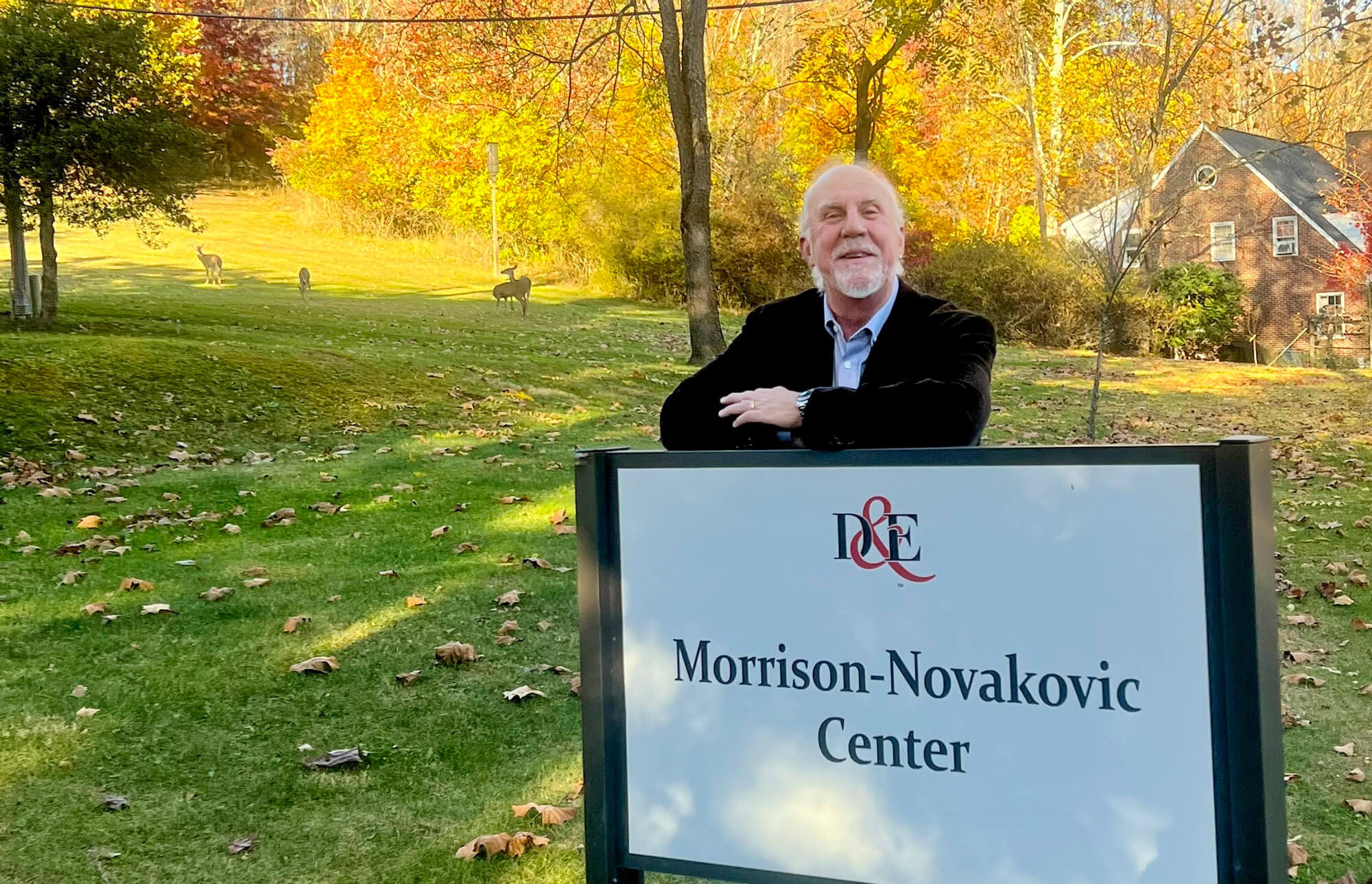
The Morrison-Novakovic Center for Faith and Public Policy
Join this unique living and learning community where students and community members engage in meaningful discussions around faith and public policy.
Careers in Religious Studies and Philosophy
This major trains you to think critically and empathically across a wide variety of perspectives and cultures—an invaluable life skill that is becoming increasingly applicable in the business world. A bachelor’s degree in religious studies or philosophy can prepare you for success in a wide range of professional fields, including:
- Law
- Ministry
- Social Justice/Advocacy/Human Rights
- Journalism
- Freelance Writing
- Editing and Publishing
- Social Media Content Creation
- Teaching
- Public Relations
- Non-Profit
·


Why Religious Studies and Philosophy at D&E
A variety of courses and experiences foster a deeper love and understanding of the breadth of human experience and the quest for meaning. Small seminar-style classes—including independent study seminars on student-selected topics—allow students to build strong relationships with their peers and professors.
Assignments develop the ability to synthesize complex information, conduct meaningful research, and communicate clearly in written and spoken form. Activities and exercises build creativity, innovation, and empathy—traits that make our graduates highly sought after by organizations of all kinds.