Pre-Veterinary
Prepare for Veterinary School
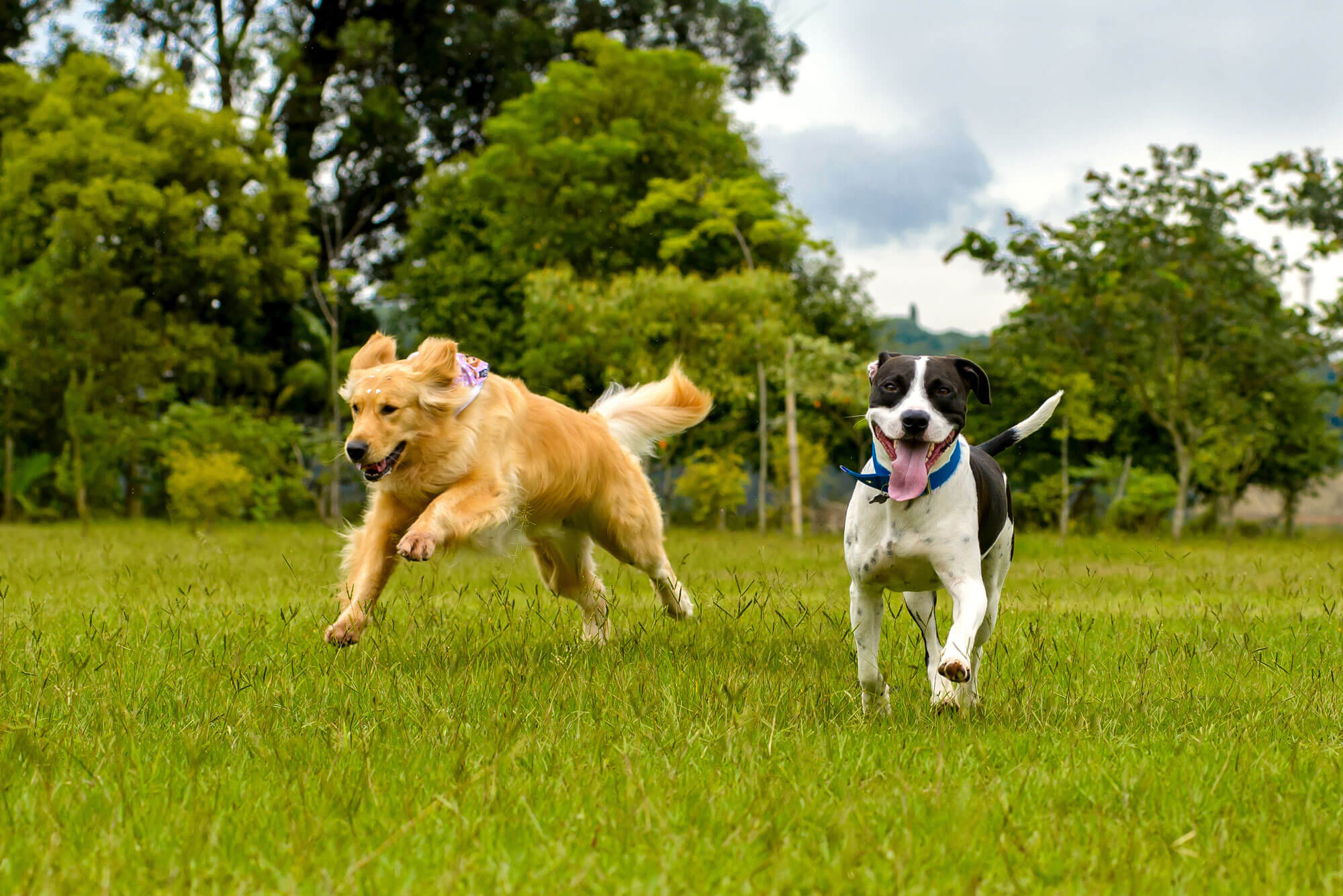
Every animal deserves a great doctor. Become one.
The Pre-Veterinary program at Davis & Elkins College prepares students for admission to veterinary medicine schools by combining a rigorous science curriculum with the hands-on animal experience, research exposure, and broad liberal arts education that highly competitive veterinary programs require.
Pre-Veterinary Preparation

Pre-Professional Track
Pre-veterinary students typically major in biology or chemistry, both of which fulfill the science prerequisites required by most veterinary schools. The pre-veterinary track is not a standalone major but a planned sequence of courses completed alongside a bachelor’s degree.
The Pre-Veterinary program at D&E is housed within the Biology, Environmental Science, and Sustainability Program, located in the Eshleman Science Center. The center features five teaching laboratories, a prep room, balance rooms, and a fully equipped instrument room. These resources give pre-veterinary students hands-on experience with the analytical and research tools that veterinary school lab work demands.
Veterinary School Admission
Admission to veterinary medicine schools is highly competitive. Since vet schools have more qualified applicants than they can accept, a competitive candidate will have a strong academic background in math and science, a high GPA and placement test scores, broad exposure to veterinary medicine (working with veterinarians and scientists, working on a farm, or volunteering at an animal shelter), and documented research experience.
The minimum requirements vary by institution but typically include English composition, speech or technical writing, biological sciences with lab, microbiology, inorganic chemistry with lab, organic chemistry with lab, biochemistry, statistics, physics with lab, and social or behavioral sciences. Calculus is strongly recommended. Faculty advisors will help you plan your course sequence, build the animal and research experience that vet schools demand, and prepare for the placement exams required for admission.
Courses
What We Offer
Required Science Prerequisites
(typical veterinary school requirements)
- English Composition I & II
- Speech or Technical Writing
- Biological Sciences with Lab
- Microbiology
- Inorganic Chemistry with Lab
- Organic Chemistry with Lab
- Biochemistry
- Statistics
- Physics with Lab
- Social or Behavioral Sciences
- Calculus (recommended)
Recommended Biology Courses
- Principles of Biology I & II
- Genetics
- Microbiology
- Zoology
- Cell and Molecular Biology
- Animal Behavior
- Ecology
- Vertebrate Physiology
- Comparative Vertebrate Anatomy
Recommended Chemistry Courses
- General Chemistry I & II
- Organic Chemistry I & II
- Analytical Chemistry
- Biochemistry
Recommended Supporting Courses
- Calculus I
- Statistics
- Physics I & II
- Psychology (Behavioral Sciences requirement)
- Sociology (Behavioral Sciences requirement)
- Technical Writing
Research and Hands-On Experience
Veterinary school admissions committees look for more than strong grades — they want applicants who have spent meaningful time working with animals and conducting scientific research. D&E’s location in the Allegheny Highlands puts students within reach of extraordinary field research opportunities, regional farms, wildlife preserves, and veterinary practices.
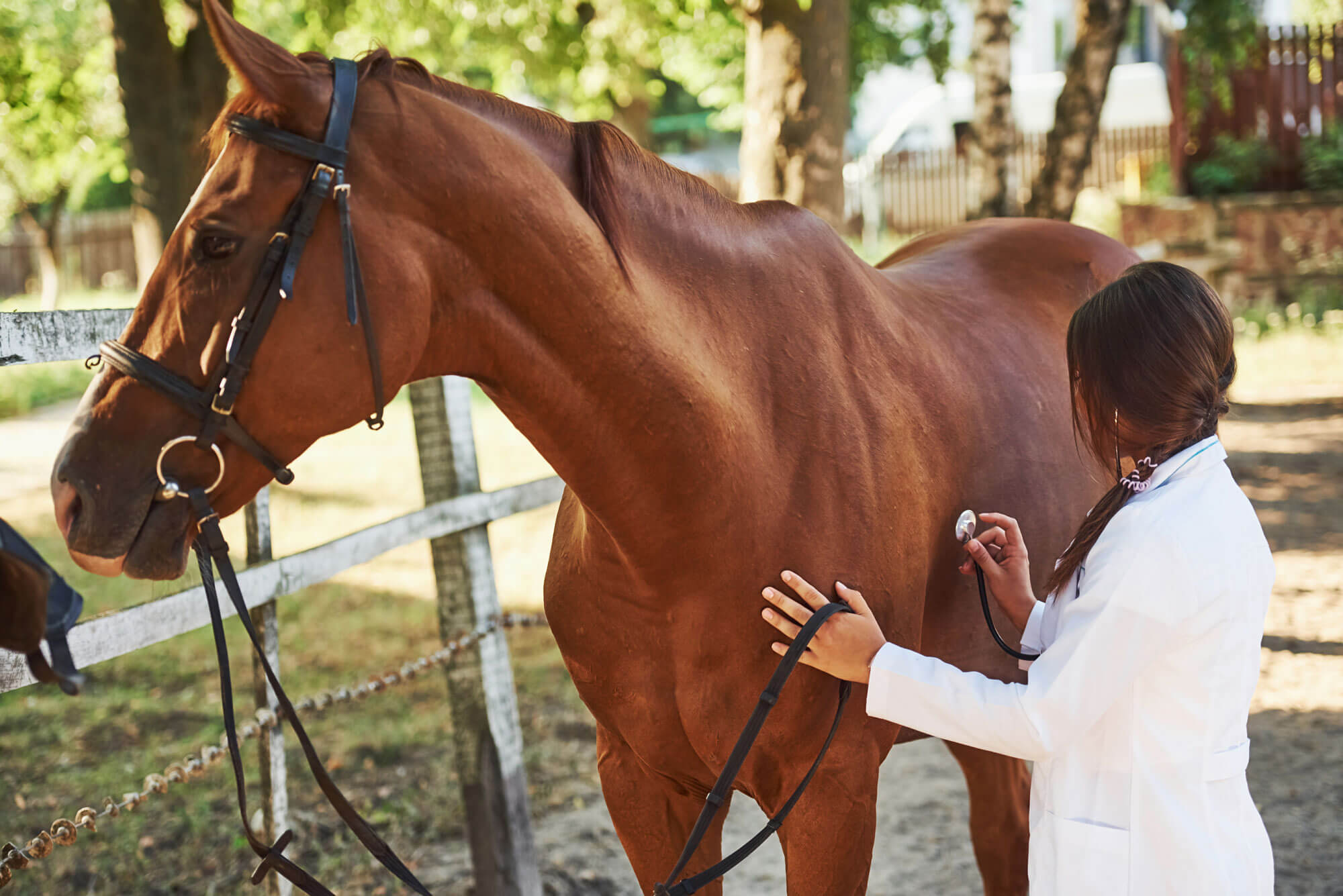
Careers in Veterinary Medicine
Pre-veterinary graduates from D&E are well-prepared to compete for spots in top veterinary programs across the country. You’ll benefit from a combination of strong science coursework, undergraduate research experience, and hands-on animal exposure that will give you a compelling and competitive application profile.
A pre-veterinary education from D&E, combined with a Doctor of Veterinary Medicine (D.V.M.) degree from an accredited program, opens the door to one of the most respected and versatile health professions.
Career options for veterinary medicine graduates include:
Companion Animal Practice
- Small Animal General Practitioner
- Veterinary Surgeon
- Veterinary Dentist
- Veterinary Dermatologist
- Veterinary Oncologist
- Veterinary Cardiologist
- Emergency/Critical Care Veterinarian
Large Animal, Equine, and Agricultural Practice
- Large Animal/Farm Veterinarian
- Equine Veterinarian
- Dairy and Livestock Consultant
- Food Safety and Herd Health Specialist
Wildlife, Zoo, and Aquatic Medicine
- Zoo Veterinarian
- Wildlife Veterinarian
- Aquatic Animal Veterinarian
- Conservation Medicine Specialist
Public Health, Research, and Government
- USDA Veterinarian/Food Safety Inspector
- Military Veterinarian
- Epidemiologist/Public Health Officer
- Biomedical Research Scientist
- Pharmaceutical/Biotech Industry Veterinarian
- Veterinary College Faculty/Professor









Why Pre-Veterinary at D&E
The supportive community of the Biology and Chemistry programs and a rigorous science curriculum give you the academic foundation, laboratory skills, and scientific depth that highly competitive veterinary school admissions committees require. D&E’s location places you within reach of extraordinary opportunities to build the animal experience that vet schools demand — from regional farms and wildlife areas to veterinary clinics and the Canaan Valley National Wildlife Refuge, all within an hour’s drive of campus. Small class sizes mean faculty know you by name and can help you plan your course sequence, identify research and animal exposure opportunities, and build the kind of application that vet schools are looking for.
State-of-the-art laboratories give you access to professional-grade research tools that strengthen both your application and your preparation for veterinary school coursework. D&E’s broad liberal arts curriculum ensures that you graduate as a compassionate, communicative, and ethically grounded practitioner — the qualities that distinguish great veterinarians and that admissions committees, clients, and animals depend on.