Forest Technology
Prepare for a Career in Forestry
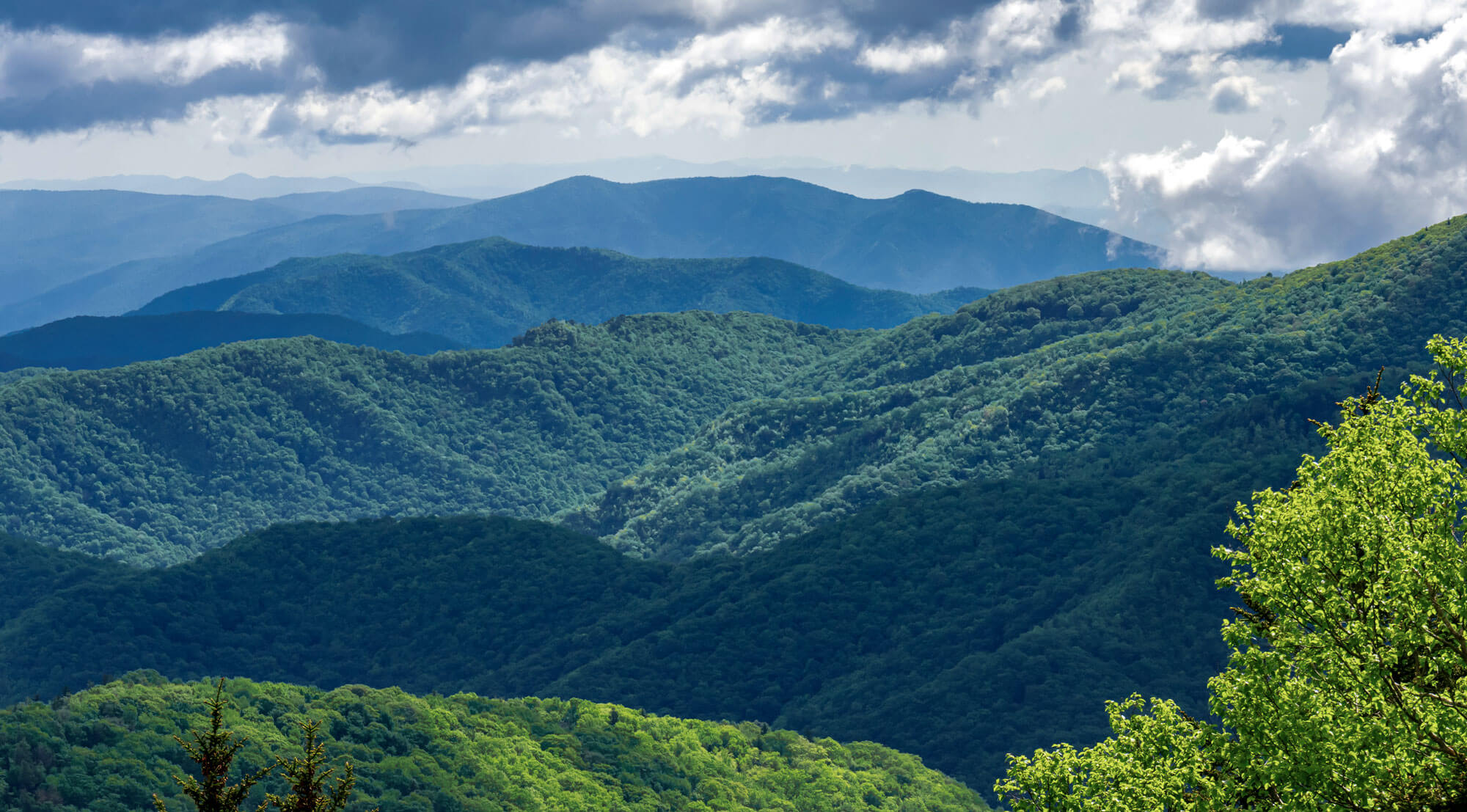
Help manage critical natural resouces.
The two-year Forest Technology program at Davis & Elkins College provides the skills for a successful career in forestry. We bridge the knowledge and skills of a forestry education with cutting-edge use of technology anchored in the principles of sustainability to inspire our students to engage with the beauty of the natural world.
The forest technology program at D&E is offered through the Biology, Environmental Science, and Sustainability Department and is designed to prepare students for professional careers in forestry. The program emphasizes the multidisciplinary and sustainable nature of forestry. You’ll spend several hours each week outside developing practical skills in measurement, identification, silviculture, harvesting, and forest ecosystem management.
Forest technology graduates will be prepared to:
- Recognize and identify woody plants and ecological communities native to the Appalachian region, along with the abiotic and biotic challenges facing these systems.
- Accurately and precisely quantify forest resources and develop appropriate sustainable forest management recommendations to achieve landowner objectives.
- Understand the science behind different silvicultural systems and when and how to apply them.
- Apply knowledge of forest products and their markets in the Appalachian region.
- Perform timber harvesting operations in a sustainable manner that protects land, water, and air resources.
- Use Geographic Information Science and Systems (GIS, GPS) and other natural resource technologies to conduct spatial analysis.
- Navigate the legal and policy landscape of forest ownership, including federal, state, and local laws and regulations governing the practice of forestry.
- Apply hands-on skills in forest management, including chainsaw operation, basic first aid, and safety around harvesting equipment.
- Communicate effectively, in both oral and written forms, to professional and non-professional audiences.
- Promote professional ethics while supporting diversity, equity, and inclusion in the field of forestry and in public relations.
Associates Programs (A.S.)

Associate of Science in Forest Technology
The associate’s degree in forest technology requires 45 credit hours of sustainable resource management (SRM) core courses, plus additional requirements in biology, environmental science, and mathematics. Courses involve a mixture of traditional lectures and outside labs, including hands-on learning at the College’s George A. Myles Experimental Forest.
Students receive training in:
- Dendrology
- Silviculture
- Forest Ecology
- Forest Ecosystem Protection
- Wood and Forest Products
Pathway to the Bachelor’s Degree
Students who complete the A.S. in Forest Technology can easily transition to the forest resource management specialization of the Bachelor of Science in Sustainable Resource Management, allowing them to build on their two-year foundation toward a four-year degree.
Courses
What We Offer
- Introduction to Sustainable Resource Management
- Dendrology I
- Dendrology II
- Forest Measurements I
- Forest Measurements II
- Timber Harvesting
- Communication and Safety
- Natural Resource Economics
- Forest Ecology
- Wood and Forest Products
- Silviculture
- Forest Ecosystem Protection
- Forest Management Practices (Capstone)
- Practicum
- Introduction to Environmental Science
- Introduction to Geographic Information Science and Systems
- Remote Sensing and Intermediate GIS
Careers in Forest Technology
West Virginia is the third most forested state in the U.S. and has the second-highest standing hardwood volume. The wood and forest-related industries of West Virginia employ over 30,000 people across all 55 counties and contribute over $3 billion annually to the state’s economy. Highly skilled technical workers are needed to manage our forests for timber production, outdoor recreation, aesthetics, biodiversity, hunting and fishing, water quality, and more.
Davis & Elkins College lies at the heart of West Virginia’s forests. Located just across from campus is the Monongahela National Forest Supervisor’s Office, while organizations such as The Nature Conservancy, the Department of Natural Resources, and multiple private forest industries call Elkins home. Forestry agencies and wood-using industries employ forest technicians as an important part of their forest management teams. Graduates are prepared to find jobs at the technical level, and if you are interested in a baccalaureate degree, you can easily transition to the Forest Resource Management specialization of the Sustainable Resource Management degree.
Career opportunities for Forest Technology graduates include:
- Forest Technician — U.S. Forest Service, Bureau of Land Management, state forestry agencies
- Timber Sale Administrator
- Forest Inventory Specialist
- Silviculture Technician
- Wildlife/Habitat Technician
- Watershed Technician
- GIS/Remote Sensing Technician
- Wood Products Industry Representative
- Private Consulting Forester (with additional experience or licensure)
- Environmental Compliance Technician
- Park Ranger/Recreation Technician
- Conservation Corps Leader
George A. Myles Experimental Forest
You’ll complete much of your field study on the 300-acre George A. Myles Experimental Forest. Located just 30 minutes from campus, the experimental forest provides diverse educational and research opportunities, including measuring and quantifying forest resources, sustainable forest management practices, safe chainsaw operation, habitat assessment, plant and wildlife identification, sustainable foraging, and nature journaling.
Internship Opportunities
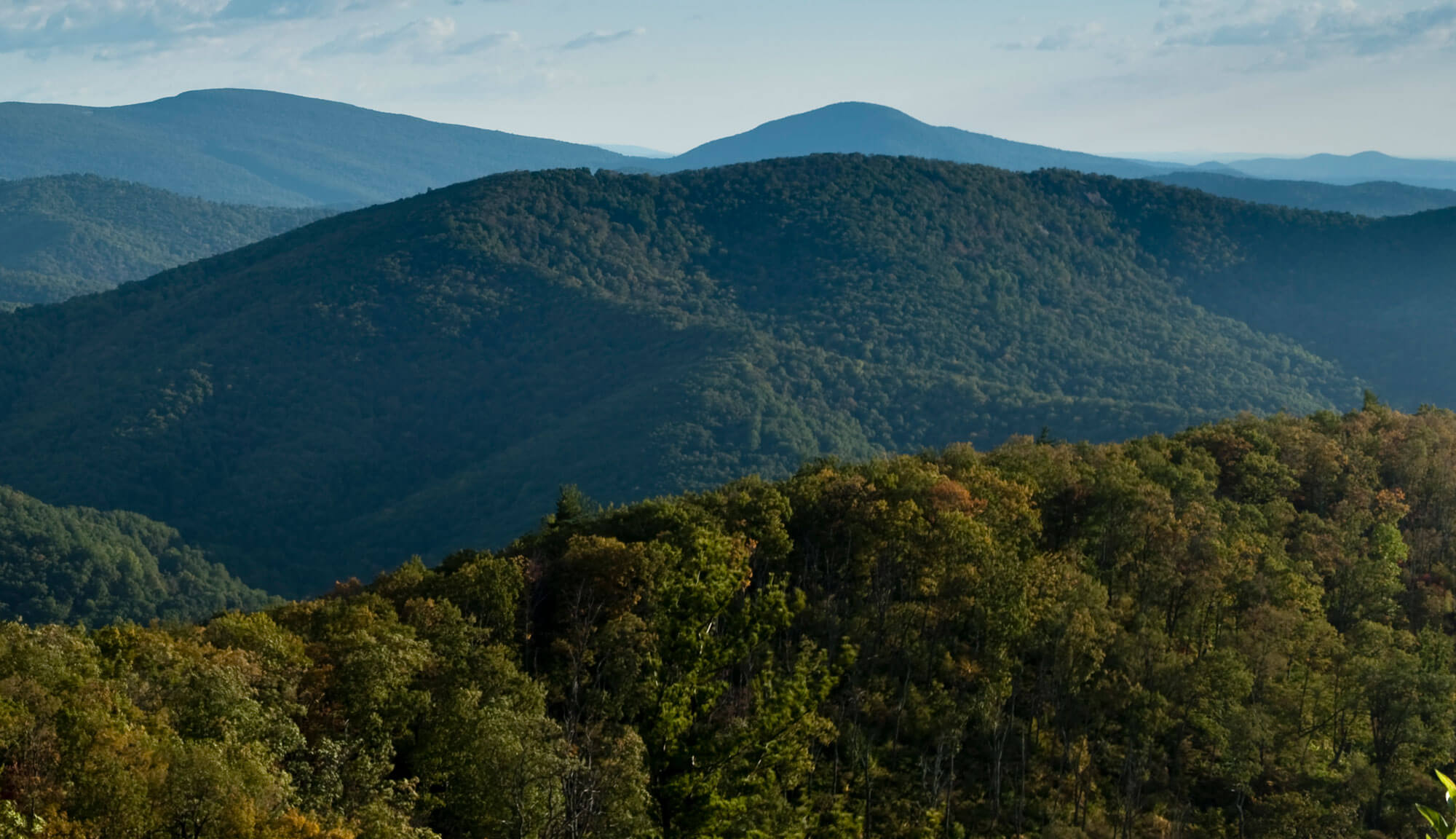
Internship opportunities are available through organizations with offices in Elkins and the surrounding area, including the U.S. Forest Service, U.S. Fish and Wildlife Service, West Virginia Department of Natural Resources, Fernow Experimental Forest, Canaan Valley National Wildlife Refuge, The Nature Conservancy, Bowden Fish Hatchery, and multiple private timber and land management companies.




Why Forestry Technology at D&E
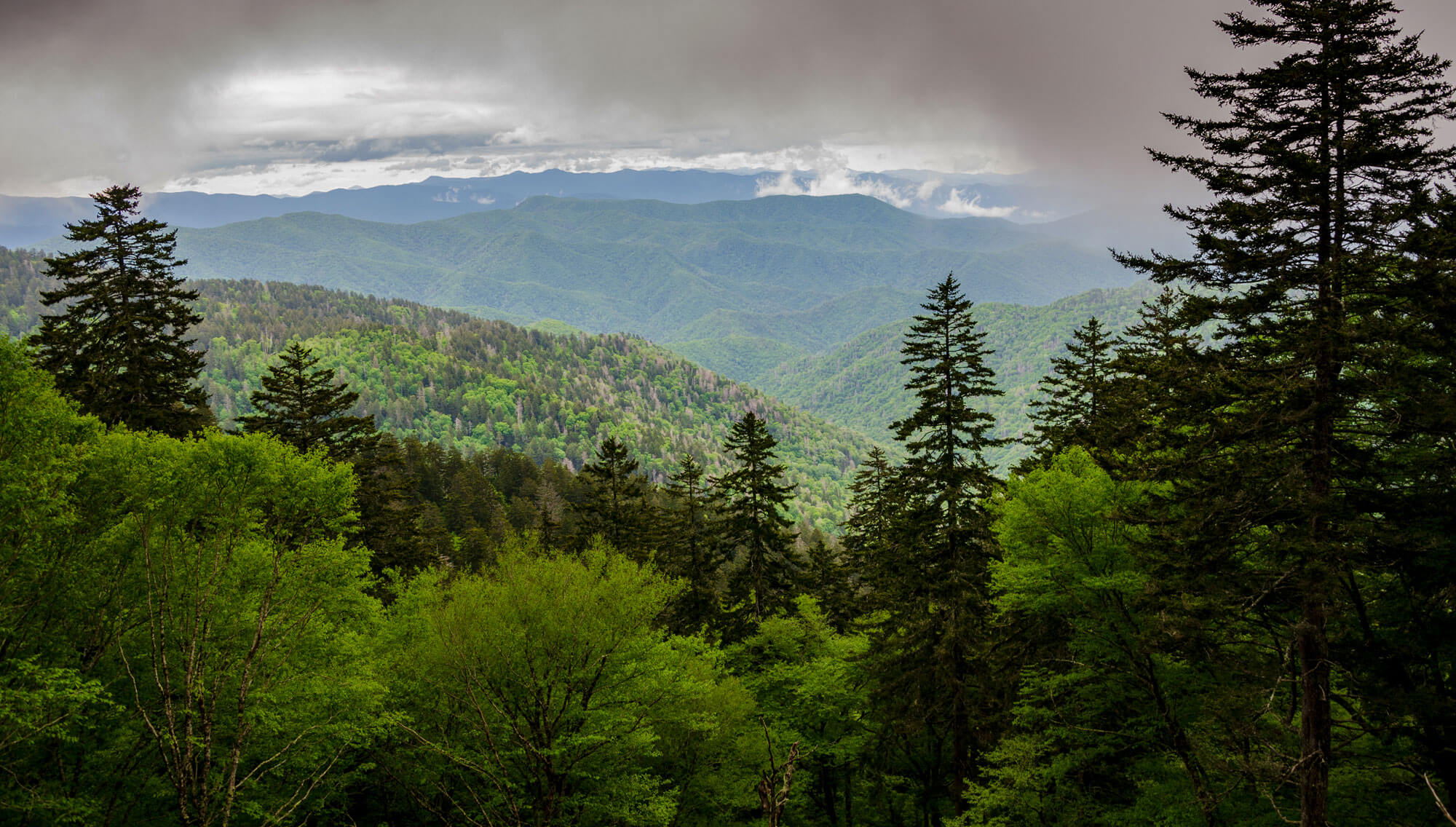
Small class sizes enable dedicated faculty members to enhance your learning experience by challenging and inspiring you, providing individualized attention, and helping you build the professional identity and practical skills that employers in forestry and natural resources are looking for. The 300-acre George A. Myles Experimental Forest, located just 30 minutes from campus, provides opportunities for hands-on learning. From chainsaw skills to forest inventories, silvicultural marking to ecosystem protection, you’ll develop critical technical competencies.
Upon graduation, you’ll be prepared for immediate employment at the technical level or seamless transition to a baccalaureate degree in sustainable resource management. Internship and field experience opportunities are available with the U.S. Forest Service, U.S. Fish and Wildlife Service, West Virginia DNR, Fernow Experimental Forest, The Nature Conservancy, and area private timber companies.
SAF Code of Ethics
The purpose of this Code of Ethics is to protect and serve society by inspiring, guiding, and governing members in the conduct of their professional lives. Compliance with the code demonstrates members’ respect for the land and their commitment to the long-term management of ecosystems, and ensures just and honorable professional and human relationships, mutual confidence and respect, and competent service to society.