Environmental Science
Protect the Planet
Help address environmental problems through science.
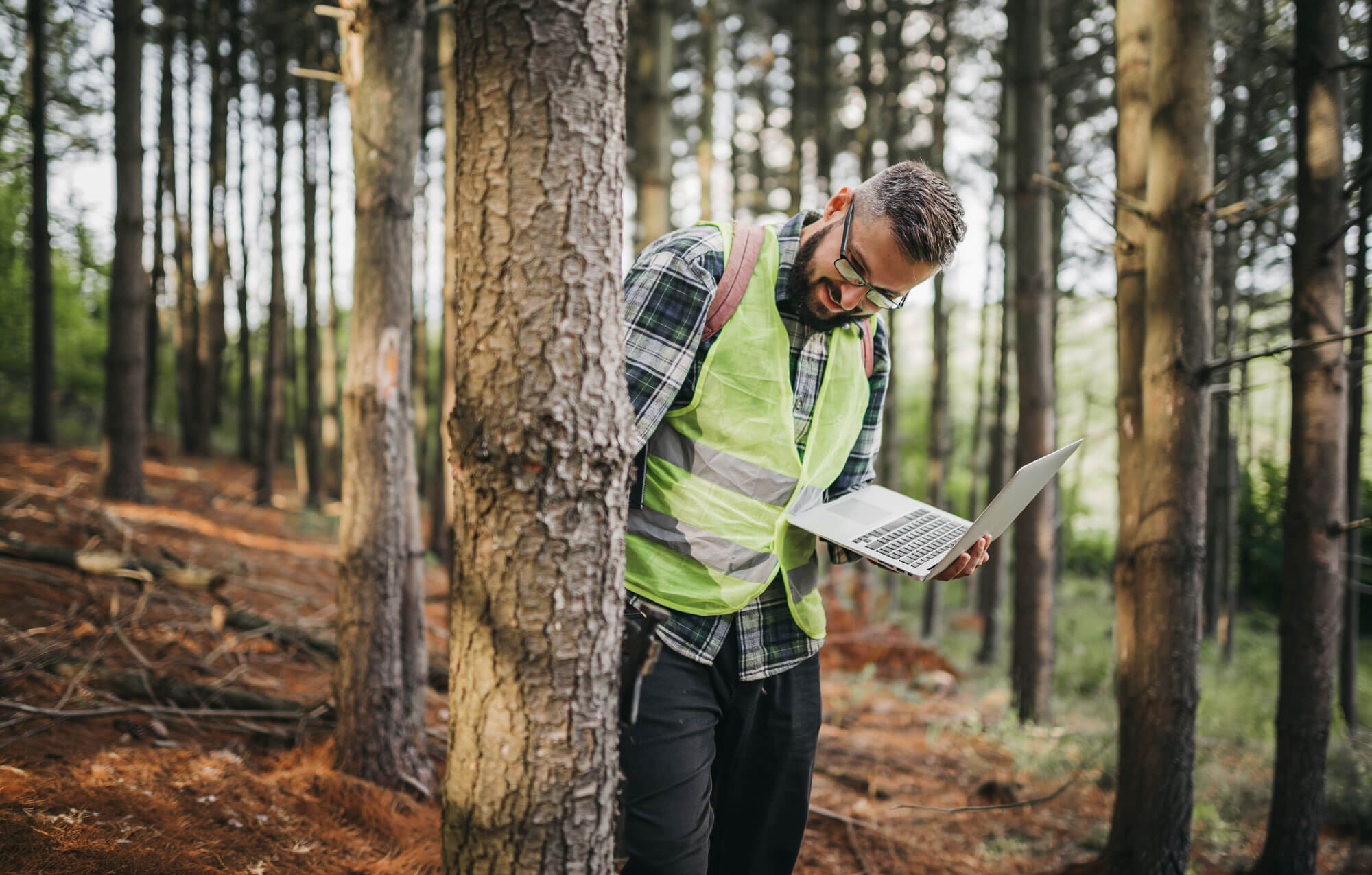
Do you want to help solve environmental problems at home and around the world? Do you long to work outside at a National Park or Forest? If so, an environmental science degree is the right program for you. The Environmental Science program at D&E offers an interdisciplinary course of study that stresses understanding of environmental problems and issues, providing a scientific perspective of humankind’s relationship with the natural world.
The environmental science program is offered through the Biology, Environmental Science, and Sustainability Department at D&E. It is designed for students who want to understand and solve the complex environmental challenges facing the world, from climate change and habitat loss to water quality, invasive species, and land management.
Baccalaureate Programs (B.S. & B.A.)

Bachelor of Science in Environmental Science
The B.S. degree in environmental science consists of 31 credit hours of core environmental science courses, plus additional required courses in biology, chemistry, mathematics, and physics.
Bachelor of Arts in Biology and Environmental Science
The B.A. in Biology and Environmental Science is designed for students pursuing careers as field and lab technicians in areas requiring considerable knowledge of biological and environmental concepts. It requires 39 credit hours drawn from both biology and environmental science.
Minors

Minor in Environmental Science
A minor in Environmental Science requires 18 credit hours, including The Human Environment and Introduction to Environmental Science, plus 6 hours chosen from 200-level or above environmental science courses.
Minor in Geospatial Analysis
A minor in Geospatial Analysis requires 20 semester hours and prepares students to apply geographic information systems (GIS), cartography, and remote sensing to virtually any discipline.
Certificates
Geospatial Analyst Certificate
The Geospatial Analyst certificate consists of 24 semester hours of GIS and environmental science courses, culminating in the GIS Capstone and preparation for the ESRI Technical Certification exam. This program prepares students for immediate entrance into the geospatial technologies workforce.
Courses

What We Offer
- The Human Environment
- Introduction to Environmental Science
- Zoology
- Plant Taxonomy
- Environmental Toxicology
- Introduction to Geographic Information Science and Systems
- Advanced Topics in Environmental Science
- Environmental Chemistry
- Environmental Chemistry Techniques
- Python for GIS
- Environmental Science Forum
- Natural Resource Management
- Conservation Biology
- Environmental Law
- Remote Sensing and Intermediate Geographic
- Information Systems
- Environmental Issues Seminar
- Research Methods
- Advanced Geographic Information Systems
- Biogeography
- Undergraduate Research in Environmental Science
Practicum - Independent Study
- GIS Capstone
- Senior Seminar
Campus Facilities
The Biology and Environmental Science Department is housed in the Eshleman Science Center, which features five teaching laboratories, a computer laboratory equipped with GIS and remote sensing software and a large-scale plotter, and the S. Benton Talbott Seminar Room. The department maintains scientific instrumentation, including microscopes, air and water pollution monitoring equipment, laboratory instrumentation, and field sampling equipment. Special facilities include a weather station, a controlled environment chamber, the Tolstead Greenhouse, and the D&E Herbarium with over 3,000 vascular plant specimens and the West Virginia State Fungi collection.
The George A. Myles Experimental Forest, a 300-acre outdoor classroom located 30 minutes from campus, serves as a dynamic field site for environmental science students. The Pigeon Creek Watershed (part of a cooperative Appalachian watershed study) and the Robert E. Urban Nature Area on campus provide additional research sites accessible within minutes of campus.
Natural Laboratory
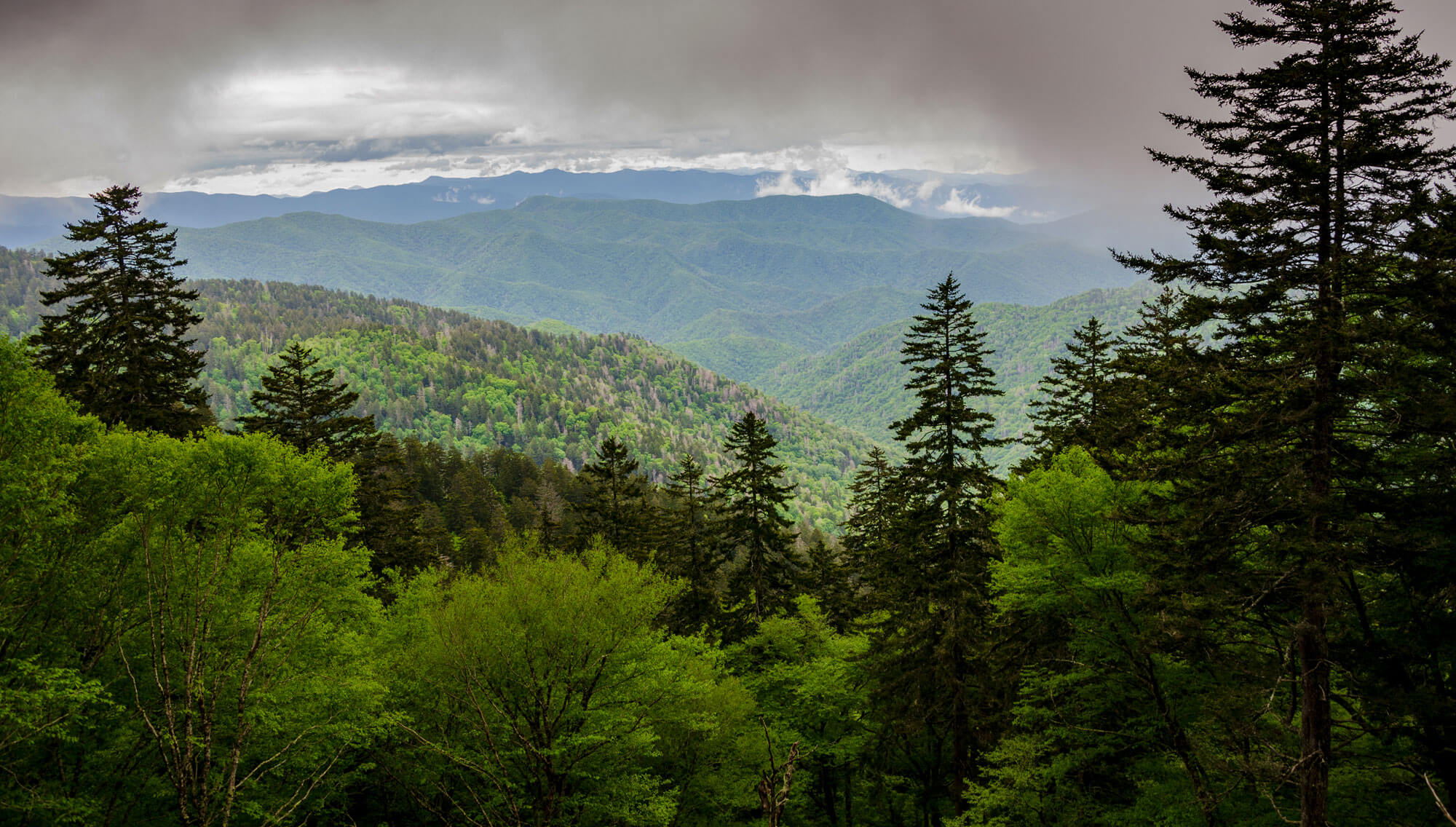
The Monongahela National Forest and surrounding natural areas constitute an immense and highly varied outdoor laboratory for environmental and sustainability investigations.
The following areas are within an hour’s drive of campus:
- Spruce Knob (the highest point in West Virginia at 4,862 feet)
- Seneca Rocks
- Blackwater Canyon
- Bear Heaven Natural Area
- Blister Swamp, Big Run Bog natural area
- Dolly Sods Wilderness
- Otter Creek Wilderness
- Upper and Lower Laurel Fork Wilderness
- Canaan Valley National Wildlife Refuge.
Careers in Environmental Science
The environmental science program combines rigorous science coursework with hands-on field experience and GIS technology training to prepare graduates for immediate employment and graduate study. You can explore careers in a wide array of fields, including federal and state land management, environmental consulting, wildlife biology, water quality, GIS and remote sensing, environmental law, education, and research.
Internship Opportunities
You’ll have access to a wide range of internship opportunities with organizations in Elkins and the surrounding area, including West Virginia Department of Natural Resources (Elkins office), U.S. Forest Service (Elkins office and Monongahela National Forest), Fernow Experimental Forest, Canaan Valley National Wildlife Refuge, Blackwater Falls State Park, Maryland State Park Service, Virginia Division of Conservation and Recreation, Parks Canada, Trout Unlimited, National Park Service, and various regional and national non-profit organizations.









Why Environmental Science at D&E
Small class sizes enable engaging faculty members to enhance your learning experience by challenging and inspiring you and providing individualized attention. Coursework covers current and relevant principles in ecology, GIS, remote sensing, environmental chemistry, conservation biology, natural resource management, and environmental law. The program will prepare you for success in graduate study and a wide range of environmental careers.
Nine wilderness areas, wildlife refuges, and ecologically distinct natural areas are within an hour’s drive of campus, providing unparalleled access to the landscapes and ecosystems you’ll study and manage professionally. Internship and independent study opportunities provide real-world experience that amplifies classroom learning. GIS, Python scripting, and remote sensing courses, including preparation for the ESRI Technical Certification exam through the Geospatial Analyst certificate, give Environmental Science students a technical skill set that employers require.