Biology
Discover the Science of Life
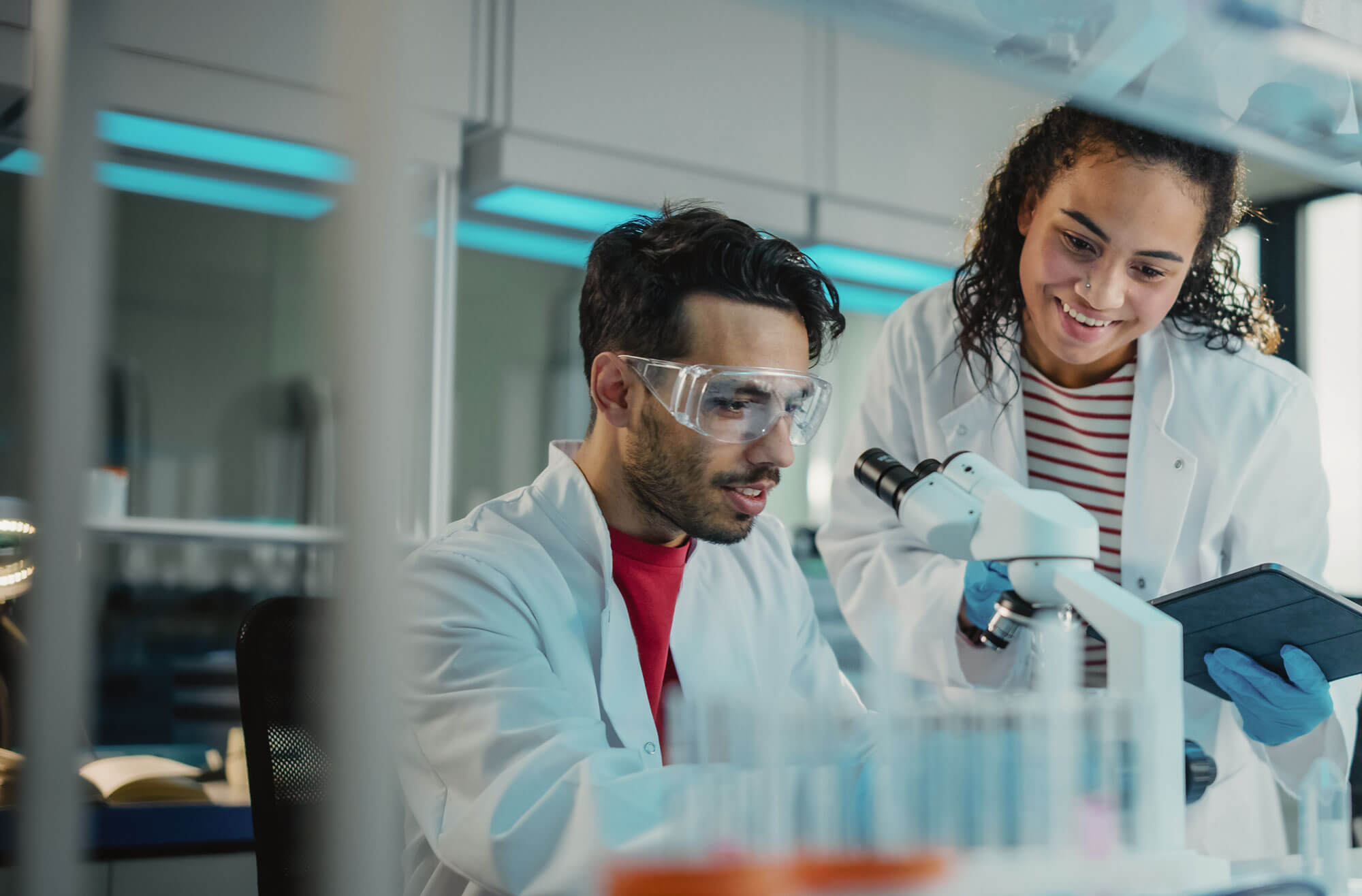
Prepare for graduate school or a career in a science-based field.
The biology program at Davis & Elkins College is designed to help you develop an understanding of the process of scientific inquiry as well as an appreciation of the unity and diversity of life. You’ll attain an understanding and appreciation of the relationships that operate within the biosphere, especially those involving humankind.
The biology program will prepare you for a professional career in science, healthcare, environmental management, and research. You’ll be engaged in much more than lectures and learn in a lab setting from inspiring faculty with expertise in the field. Throughout your studies, you’ll have the opportunity to conduct research, secure internships, and attend conferences to build a strong resume and achieve your goals.
Baccalaureate Programs (B.S.)

Bachelor of Science in Biology
The bachelor’s degree in biology is offered in four specializations:
General Biology Specialization
The General Biology specialization prepares students for a variety of fields in biology, including graduate school or employment in industry or governmental agencies. It requires 39 semester hours of biology coursework plus minors or coursework in chemistry, math, and physics.
Pre-Medical Specialization
The Pre-Medical specialization emphasizes courses required or recommended for admission to medical, dental, optometry, pharmacy, and other health-related professional schools.
Pre-Veterinary Specialization
The Pre-Veterinary specialization includes courses required or recommended for admission to most veterinary schools, with added courses in zoology, animal behavior, and comparative anatomy.
Neuroscience Specialization
The Neuroscience specialization provides an understanding of the brain from biological, cognitive, and clinical perspectives. It prepares students for graduate or professional schools, or employment in neuroscience-related fields. It includes Rize/LCMC online courses in the biological basis of perception and movement, cognitive neuroscience, and clinical neuropathology.
Baccalaureate Programs (B.A.)
Bachelor of Arts in Biology and Environmental Science
This program, designed for students pursuing careers as field and lab technicians in areas requiring substantial knowledge of biological and environmental concepts, requires 38–39 credit hours of specified courses in biology and environmental science.
Minors
Biology Minors
The requirements for a minor consist of 17 credit hours of specified biology courses and 8 additional semester hours chosen from 200-level or above biology courses.
Certificates
Geospatial Analyst Certificate
The Geospatial Analyst certificate requires 24 credit hours of environmental science and GIS courses to prepare students for immediate entrance into the geospatial technologies workforce.
Courses
What We Offer
- Basic Biology
- Principles of Biology I & II
- Human Anatomy
- Human Physiology
- Genetics
- Microbiology
- Zoology
- Plant Taxonomy
- Ecology
- Plant Biology
- Functional Histology
- Introduction to Neuroscience
- Vertebrate Physiology
- Advanced Topics in Biology
- Biology Forum
- Cell and Molecular Biology
- Evolution
- Animal Behavior
- Comparative Vertebrate Anatomy
- Developmental Biology
- Field Ecology
- Biological Basis of Perception and Movement
- Cognitive Neuroscience
- Current Topics in Biology
- Biotechnology Lab Techniques
- Biogeography
- Undergraduate Research in Biology
- Practicum
- Independent Study
- Clinical Neuropathology
- Senior Seminar
Campus Facilities
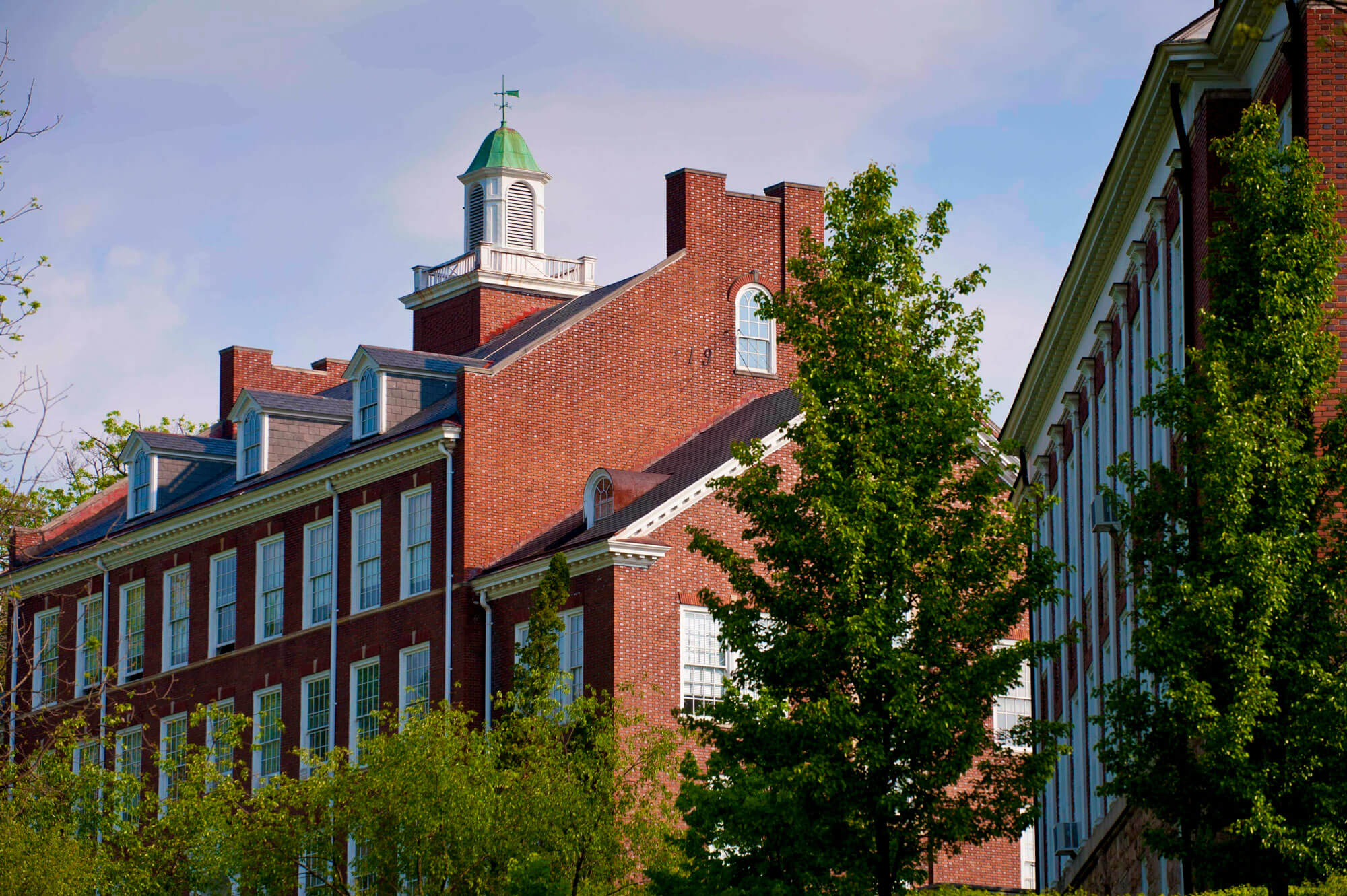
Students attend classes in the Eshleman Science Center, which features five teaching laboratories, a computer laboratory equipped with GIS and remote sensing software, and the S. Benton Talbott Seminar Room, where upper-level classes meet and students share research.
Additional resources include:
- Scientific instrumentation, including microscopes, laboratory instrumentation, and field sampling equipment.
- Cell and molecular biology lab with a programmable thermocycler for PCR analysis, UV/Vis spectrophotometer, microcentrifuges, and gel electrophoresis equipment.
- Extensive collection of microscope slides.
- Controlled environment chamber and Tolstead Greenhouse Herbarium containing over 3,000 specimens of vascular plants and the West Virginia State Fungi collection.
- Solar panels utilizing a data logger.
- Allen Biotechnology Education lab with a nanopore DNA sequencer, a nano spectrophotometer, and a fluorometer.
- George A. Myles Experimental Forest — a 300-acre outdoor classroom located 30 minutes from campus for hands-on field study in forest management, habitat assessment, and ecological research.
- Field studies and student research projects are also carried out at the Pigeon Creek Watershed and the Robert E. Urban Nature Area, which are both accessible within minutes of campus.
Natural Laboratory
The Monongahela National Forest and surrounding natural areas constitute one of the most varied outdoor laboratories for biological investigations in the eastern United States. Within an hour’s drive from campus, you will have access to Spruce Knob (the highest point in West Virginia at 4,863 feet)
The following areas are within an hour’s drive of campus:
- Spruce Knob (the highest point in West Virginia at 4,862 feet)
- Seneca Rocks and Blackwater Canyon
- Bear Heaven Natural Area and Blister Swamp
- Big Run Bog Natural Area
- Dolly Sods Wilderness
- Otter Creek Wilderness
- Laurel Fork Wilderness
- Canaan Valley National Wildlife Refuge
Careers in Biology
Biology prepares graduates for careers in a wide array of fields, including medicine, dentistry, veterinary medicine, pharmacy, scientific research, environmental consulting, education, biotechnology, and public health. The program’s four specializations allow you to tailor your degree toward graduate school, professional school, or direct employment.
Internship Opportunities
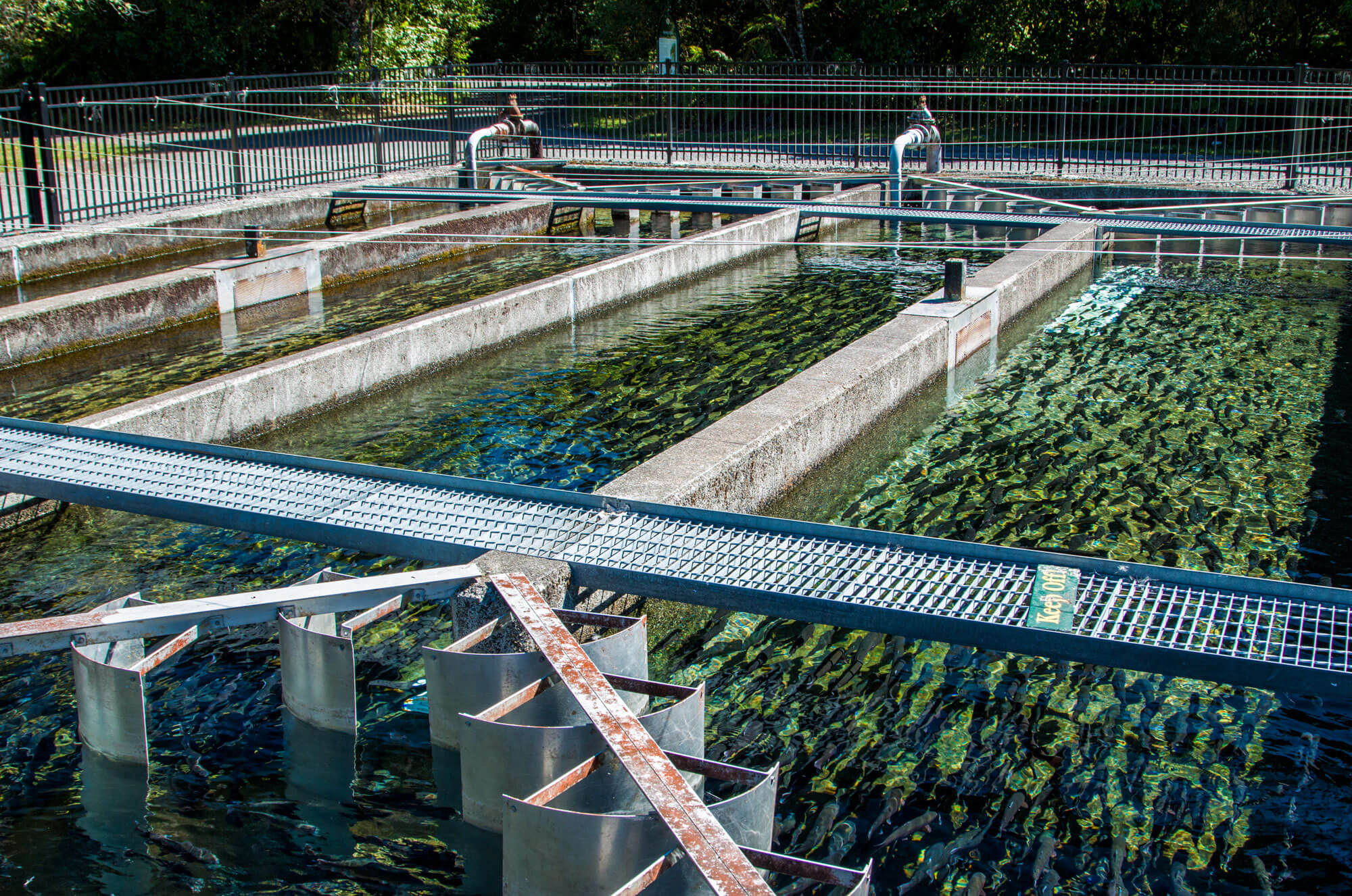
A wide range of internship opportunities exists for D&E Biology students. Offices for the following organizations are located in Elkins and the surrounding area: Vandalia Health Davis Medical Center, West Virginia Department of Natural Resources, U.S. Forest Service, U.S. Fish and Wildlife Service, Fernow Experimental Forest, Canaan Valley National Wildlife Refuge, Bowden Fish Hatchery, and The Nature Conservancy.
Graduate and Professional School Pathways
Choose from one of the following pathways:
- Medical School (M.D. or D.O.)
- Pharmacy School (Pharm.D.)
- Dental School (D.D.S. or D.M.D.)
- Veterinary School (D.V.M.)
- Graduate school in Biology, Ecology, Neuroscience, Biochemistry, or related fields
- Physical Therapy (D.P.T.)








Why Biology at D&E
Small class sizes enable inspiring faculty members to enhance your learning experience by challenging you, getting to know your career goals personally, and providing individualized attention. Coursework covers current and relevant principles in genetics, cell biology, ecology, evolution, neuroscience, and more. You’ll be prepared for success in medical, dental, veterinary, pharmacy, or graduate school, or direct employment in biology-related fields. D&E’s formal articulation agreements with the West Virginia School of Osteopathic Medicine and the Marshall University School of Pharmacy offer qualifying Biology students direct, expedited pathways to professional school.
State-of-the-art facilities give you access to professional-grade tools that prepare you for graduate and professional school coursework. Internship and independent study opportunities provide real-world experience that amplifies classroom learning. D&E’s location bordering the Monongahela National Forest gives you a remarkable natural laboratory for field research, ecological study, and the kind of hands-on science that defines a D&E education.